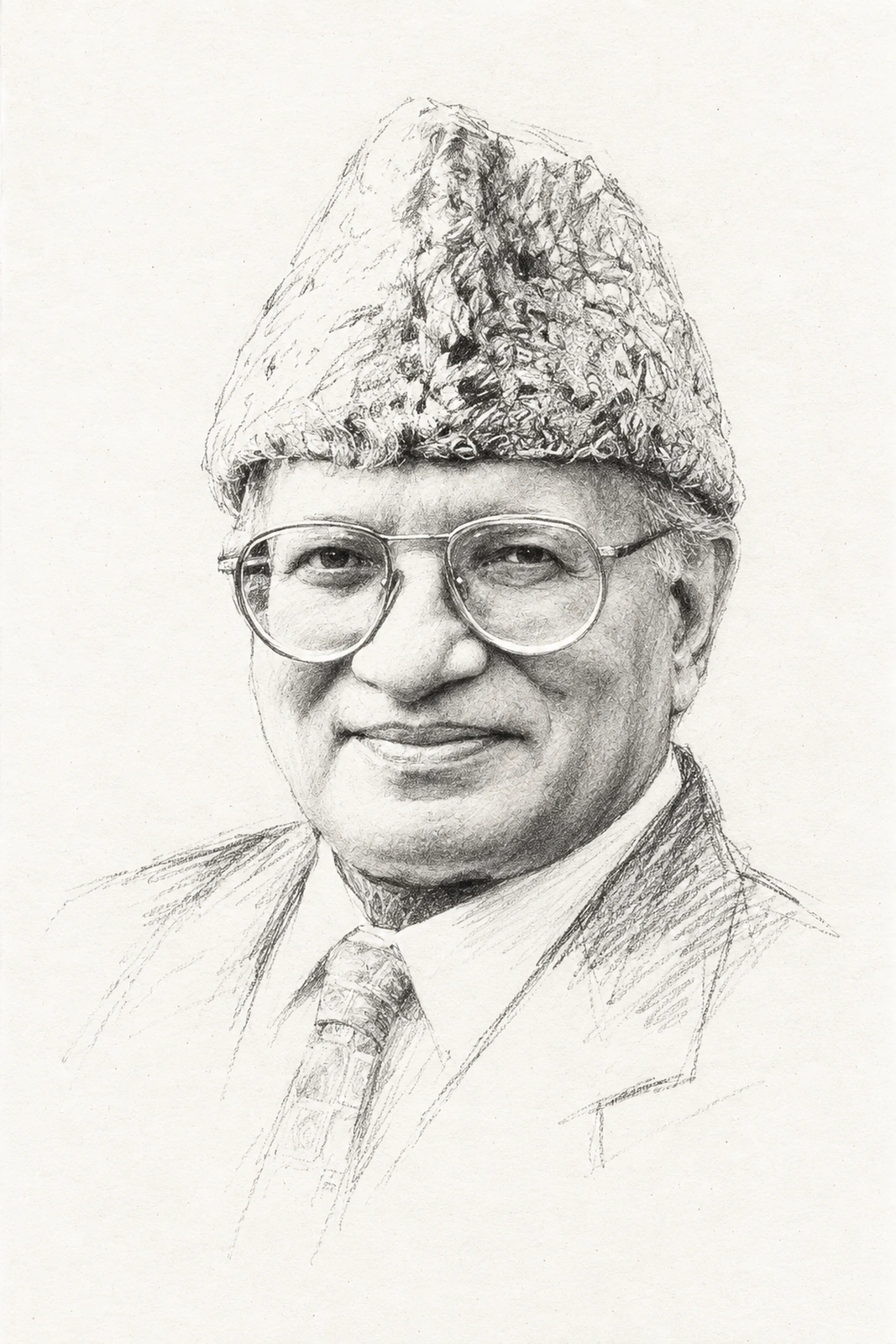
THE SPOKEN WORD
Session 8: Summary of Chapter 2
Bhagavad Gita (Verse-by-Verse) (With Hindi Transcript) (1998, Jaipuria House, Delhi)
A reading transcript of this session.
Session 8: Summary of Chapter 2
सत्र 8: अध्याय 2 का सारांश
Renunciation is Sannyasa; san–nyāsa; nyāsa, means ‘setting aside’. When action is ‘set aside’, it is sannyāsa. A sannyāsin is one who ‘sets aside’ everything: action, relationship, responsibilities, everything. That is called renunciation. In sacrifice, you put yourself as a kind of an oblation. In every sacrifice there is a receiver of sacrifice. A sacrifice has three elements: the sacrificer, the process of sacrifice and the receiver of the sacrifice. There is an object to whom you sacrifice. In renunciation, you simply set aside. In a sacrifice whatever you are doing, whatever you are offering, you are offering to an object, you offer it to, either to X, or Y, or Z.
Renunciation का अर्थ है सन्यास; सन-न्यास; न्यास, का अर्थ है 'अलग करना'। जब कर्म को 'अलग कर दिया जाता है', तो वह संन्यास है। एक संन्यासी वह है जो सब कुछ 'अलग' कर देता है: कर्म, संबंध, जिम्मेदारियां, सब कुछ। इसे ही त्याग कहते हैं। त्याग में, आप अपने आप को एक प्रकार की आहुति के रूप में रखते हैं। प्रत्येक त्याग में त्याग का एक प्राप्तकर्ता होता है। एक त्याग के तीन तत्व होते हैं: त्याग करने वाला, त्याग की प्रक्रिया और त्याग को प्राप्त करने वाला। एक वस्तु है जिसके लिए आप त्याग करते हैं। त्याग में, तुम बस एक तरफ रख देते हो। एक यज्ञ में आप जो कुछ भी कर रहे हैं, जो कुछ भी आप अर्पित कर रहे हैं, आप किसी वस्तु को अर्पण कर रहे हैं, आप इसे किसी को अर्पित करते हैं।
Question: Is sacrifice always to something greater?
प्रश्न: क्या त्याग हमेशा किसी बड़ी चीज के लिए होता है?
Answer: It may not be even greater. Sometimes many people sacrifice things for lower things; but there is always an offering to something. When a man becomes subject to some great passion, a desire, he does not offer himself to something very great. The object of desire may be much lower than himself. When a person becomes very greedy and wants to eat a lot, he offers himself to the food; it is much lower than himself. Or he offers himself to one who can prepare food for him, and prays to that one, “Prepare food for me.” He makes all kinds of offerings to the person who prepares food for him. But there is always in a sacrifice an object to whom sacrifice is done.
उत्तर: यह आवश्यक भी नहीं है। कभी-कभी बहुत से लोग निम्न चीजों के लिए चीजों का त्याग करते हैं; लेकिन इसमें हमेशा कुछ न कुछ अर्पण होता है। जब कोई व्यक्ति किसी बड़ी इच्छा, कामना के अधीन हो जाता है, तो वह अपने आप को किसी महान चीज के लिए समर्पित नहीं करता है। इच्छा की वस्तु स्वयं से बहुत निम्न हो सकती है। जब कोई व्यक्ति बहुत लालची हो जाता है और बहुत कुछ खाना चाहता है, तो वह खुद को भोजन के लिए समर्पित कर देता है; यह उसके स्वयं की तुलना में बहुत कम है। या वह अपने आप को उसके लिए अर्पित करता है जो उसके लिए भोजन तैयार कर सकता है, और उससे प्रार्थना करता है, "मेरे लिए भोजन तैयार करो।" जो उसके लिए भोजन तैयार करता है, उसे वह सब प्रकार की भेंट चढ़ाता है। लेकिन त्याग में हमेशा एक वस्तु होती है जिसके लिए त्याग किया जाता है।
Sri Krishna’s answer is that, “You should sacrifice not to the gods, because they only can only satisfy your desires, and if your purpose is only to satisfy desires, alright, you can do it, but you should sacrifice yourself to the supreme Lord, because then you become His instrument and you become free.” Therefore the idea of sacrifice is a much greater idea: you offer yourself to the supreme Lord, and when action is performed even while you are acting you become free from action. In Sannyasa, you just give up all action, it is all renunciation, renounce everything.
श्रीकृष्ण का उत्तर है कि, "आपको देवताओं को त्याग नहीं अर्पित करना चाहिए, क्योंकि वे केवल आपकी इच्छाओं को पूरा कर सकते हैं, और यदि आपका उद्देश्य केवल इच्छाओं को पूरा करना है, तो ठीक है, आप इसे कर सकते हैं, लेकिन आपको स्वयं को सर्वोच्च भगवान को अर्पित करना चाहिए , क्योंकि तब तुम उसके निमित्त बन जाते हो और तुम मुक्त हो जाते हो।" इसलिए त्याग का विचार बहुत बड़ा विचार है: आप अपने आप को परम भगवान को अर्पित करते हैं, और जब कर्म संपन्न होता है, कर्म करते हुए भी आप कर्म से मुक्त हो जाते हैं। संन्यास में, तुम बस सभी कर्मों को छोड़ देते हो, यह सब त्याग है, सब कुछ त्याग दो।
Question: Swadharma is the identification of one’s life with action?
प्रश्न: क्या कर्म से अपने जीवन की पहचान बनाना ही स्वधर्म है?
Answer: Swadharma is the law of action, proceeding from your Swabhava. Take for example: my own Swabhava is to proceed on the lines of knowledge. If somebody says, “Do this”, normally my Swadharma will be: I will not obey immediately. There are people who simply are told, “Do this”, they will do; there are some people, you tell them, “Do this”, he will consider whether any great benefit will come out of it or not. There are others who will ask, “Is it right for me to do, wrong for me to do? And accordingly I will do.” There are some who will try to understand the whole world, and then see what the place of this action is, and see whether in that whole world, that action has a meaning, “Then I will do it.”
उत्तर: स्वधर्म कर्म का नियम है, जो आपके स्वभाव से आगे बढ़ता है। उदाहरण के लिए लें: मेरा अपना स्वभाव ज्ञान के आधार पर आगे बढ़ना है। यदि कोई कहता है, "यह करो", तो सामान्यतया मेरा स्वधर्म होगा: मैं तुरंत नहीं मानूंगा। ऐसे लोग हैं जिन्हें बस कहा जाता है, "यह करो", वे करेंगे; कुछ लोग हैं, आप उन्हें बताएं, "यह करो", वह विचार करेंगे कि इससे कोई बड़ा लाभ होगा या नहीं। कुछ और भी हैं जो पूछेंगे, "क्या मेरे लिए ऐसा करना सही है, या मेरे लिए यह गलत है? और उसी के अनुसार मैं करूंगा।” कुछ ऐसे हैं जो पूरी दुनिया को समझने की कोशिश करेंगे, और फिर सोचेंगे “इस कर्म का स्थान क्या है, और अगर इस पूरी दुनिया में इस कर्म का कोई अर्थ है, तब मैं इसे करूँगा।"
Depending upon your natural inclination is determined your Dharma. My basic nature is a Brahminic nature, my personal nature is a Brahminic nature; if anything is to be done, I always take time to consider whether it is part of the totality of Knowledge, in which what is the place for it: my Swadharma is to take time. It does not matter if I take time in deciding whether I should do or not. Although once it is known, then the action will be very rapid, that will be also part of Dharma. It takes time at a length.
आपके स्वाभाविक झुकाव के आधार पर आपका धर्म निर्धारित होता है। मेरा मूल स्वभाव ब्राह्मण स्वभाव का है, मेरा व्यक्तिगत स्वभाव ब्राह्मण स्वभाव का है; अगर कुछ करना है तो मैं हमेशा समय निकाल कर विचार करता हूँ कि क्या यह ज्ञान की समग्रता का हिस्सा है, जिसमें इसके लिए क्या जगह है: मेरा स्वधर्म समय लेना है। इससे कोई फर्क नहीं पड़ता कि मुझे यह तय करने में समय लगता है कि मुझे करना चाहिए या नहीं। हालांकि एक बार यह जान लेने के बाद, कार्रवाई बहुत तेज होगी, वह भी धर्म का हिस्सा होगा। इसमें लंबा समय लगता है।
For example, India is supposed to be slow. If you are the Swadharma of India, it is of Brahminic nature. You know England has a commercial nature, Vaishya nature, but India has a Brahminic nature. See, if anything is given to India from outside, it takes a long time to understand what has come, and reacts to it very slowly, and then, undergoes a great process of churning to understand quite thoroughly what is being thrown. Once India finds it out, then it’s rapid. When western civilisation came to India, it was like that, to absorb first of all: it took a long time for India to absorb, and then suddenly it produces a ‘Sri Aurobindo’: a huge mountain of Knowledge, which combined both east and west in one embrace: that is the Swadharma of India; from outside people might think that India is very slow.
उदाहरण के लिए, भारत को धीमा माना जाता है। यदि आप भारत के स्वधर्म के हैं, तो यह ब्राह्मण प्रकृति का है। आप जानते हैं कि इंग्लैंड में एक व्यावसायिक प्रकृति, वैश्य प्रकृति है, लेकिन भारत में एक ब्राह्मण प्रकृति है। देखिए, अगर भारत को बाहर से कुछ दिया जाता है, तो जो कुछ आया है उसे समझने में बहुत समय लगता है, और उस पर बहुत धीरे-धीरे प्रतिक्रिया करता है, और फिर, जो बाहर से आ रहा है उसे अच्छी तरह से समझने के लिए मंथन की एक महान प्रक्रिया से गुजरता है। एक बार जब भारत इसका पता लगा लेता है, तो यह तेजी से होता है। जब पाश्चात्य सभ्यता भारत में आई, तो सबसे पहले इसे आत्मसात करना ऐसा था: भारत को आत्मसात करने में लंबा समय लगा, और फिर अचानक यह एक 'श्री अरबिंदो' उत्पन्न करता है: ज्ञान का एक विशाल पर्वत, जो पूर्व और पश्चिम दोनों को मिलाता है: यही है भारत का स्वधर्म; बाहर के लोग सोच सकते हैं कि भारत बहुत धीमा है।
Many children also are condemned, “Oh! This child is very slow”, but you don’t understand that that child may be actually absorbing like a good Brahmin, gradually he tries to understand, and if you disturb him and give a lot of work at that time, it will be a very dangerous thing. Many people pump the children, “Do this, do this, do this, do this.”, when the child is taking his own time to understand, and we are not patient enough, we do not move according to his Dharma. Swadharma is the law of development, determined in each case according to his Swabhava.
कई बच्चों की भी निंदा की जाती है, "ओह! यह बच्चा बहुत धीमा है", लेकिन आप यह नहीं समझते हैं कि वह बच्चा वास्तव में एक अच्छे ब्राह्मण की तरह अवशोषित हो सकता है, धीरे-धीरे वह समझने की कोशिश करता है, और यदि आप उसे परेशान करते हैं और उस समय बहुत काम दे देते हैं, तो यह एक बहुत खतरनाक बात है। बहुत से लोग बच्चों पर ज़ोर डालते हैं, "यह करो, यह करो, यह करो, यह करो।", जब बच्चा समझने के लिए अपना समय ले रहा है, और हम पर्याप्त धैर्य नहीं रखते हैं, हम उसके धर्म के अनुसार नहीं चलते हैं। स्वधर्म विकास का नियम है, जो प्रत्येक बच्चे की परिस्थिति में उसके स्वभाव के अनुसार निर्धारित होता है।
Question: Does ‘paritajaye’ also mean transcending Swadharma?
प्रश्न: क्या 'परित्यज्य' का अर्थ स्वधर्म से श्रेष्ठ धर्म का अनुसरण भी है?
Answer: Yes, all that, everything, there is only one law: it is the Divine law that’s all.
उत्तर: हाँ, वह सब, सब कुछ, केवल एक ही नियम है: एक ईश्वरीय नियम ही सब कुछ है।
Question: I wanted to ask about Sattwa and how much of the Divine nature intermingling in the Sattwa? He is saying that there is a movement from Tamas to Rajas, and Rajas to Sattwa. Now Sattwa is to be transcended no doubt sooner or later; but he feels that still the Divine’s will, there is still a lot of intermingling in the Sattwa level. Is there or is there not?
प्रश्न: मैं सत्त्व के बारे में पूछना चाहता था और सत्त्व में दैवीय प्रकृति का कितना मिश्रण है? एक व्यक्ति कहता है कि गतिविधि तमस से रजस और रजस से सत्त्व की ओर है। इसमें कोई शक नहीं कि अब सत्त्व को अनुभवातीत करना है, देर-सबेर; लेकिन मनुष्य अब भी भगवान की इच्छा महसूस कर सकता है, सत्त्व स्तर में अभी भी बहुत कुछ मिश्रित है। ऐसा है या नहीं?
Answer: Oh! Yes, infiltration is constant at every level, even in Tamas, even in Rajas, even in Sattwa.
उत्तर: ओह! हाँ, समावेश हर स्तर पर स्थिर है, यहाँ तक कि तमस, रजस और सत्त्व में भी।
Question: Equally? Or more so in sattwa?
प्रश्न: समान रूप से? या अधिकतर सत्त्व में?
Answer: No, it depends upon all elements put together; in each and every case it will be different.
उत्तर: नहीं, यह सभी तत्वों पर एक साथ निर्भर करता है; हर परिस्थिति में यह अलग होगा।
Question: On what element does it depend? How receptive you are, or on your openness?
प्रश्न: यह किस तत्व पर निर्भर करता है? व्यक्ति की ग्रहणशीलता पर या सादगी पर?
Answer: It depends upon, first of all, the circumstances in which you are born, the kind of body that is given to you by circumstances, the actions that you have done in the past, where you have reached in your evolution, and thirdly what is your present effort, and then how much near you are to the Divine. It all depends, there are so many factors. You cannot mathematically determine and say this is how it is, but you have to see quite a lot within yourself, and see how much is in you: what is Tamasic, what is Rajasic, what is Sattwic, what is your real Swabhava, and how much is manifested in the outside nature?
उत्तर: यह निर्भर करता है, सबसे पहले, आपकी पैदाइश की परिस्थिति पर, परिस्थितियों द्वारा आपको दिये गये आपके शरीर पर, आपके द्वारा अतीत में किए गए कार्यों पर, आप अपने विकास में कहाँ पहुंचे हैं उस पर, और तीसरा वर्तमान में किए गए आपके प्रयास पर और फिर आप भगवान् के कितने निकट हैं। यह सब बहुत सारे कारकों पर निर्भर करता है। आप गणितीय रूप से यह निर्धारित नहीं कर सकते और कह नहीं सकते हैं कि यह ऐसा ही है, लेकिन आपको आत्म निरीक्षण करना होगा, और देखना होगा कि आप में क्या तामसिक है, क्या राजसिक है, क्या सात्विक है, आपका वास्तविक स्वभाव क्या है और यह बाहरी प्रकृति में कितना प्रकट होता है?
Summary of Chapter 2
अध्याय 2. का सारांश
We have done the first four chapters and I thought it is time that we once again revise these four chapters because these four chapters are very important. And you can enter into the Bhagavad Gita when you have proper grounding in these first four chapters. Even if there is some repetition, it is good to have some kind of repetition to be sure of the ground.
हमने पहले चार अध्याय किए हैं और मुझे लगा कि यह समय है कि हम एक बार फिर से इन चार अध्यायों को पुनरीक्षित करें क्योंकि ये चार अध्याय बहुत महत्वपूर्ण हैं। और आप भगवद गीता की शुरुआत कर सकते हैं जब आपके पास इन पहले चार अध्यायों में उचित आधार हो। यहां तक कि अगर कुछ पुनरावृत्ति है, तो गीता के ज्ञान की सुद्र्ढ़ नींव को सुनिश्चित होने के लिए किसी तरह की पुनरावृत्ति होना अच्छा है।
The first chapter is more or less a description of the Kurukshetra, which has its own significance, and it describes the two armies setting themselves against each other, and the preparations of the war by the sounding of the conch shells from different parts, and then the entry of Arjuna, and he is asking Sri Krishna to put him in a position from where he can view the armies. And then suddenly, he gets a sensational and an emotional attack.
पहला अध्याय कमोबेश कुरुक्षेत्र का वर्णन है, जिसका अपना महत्व है, और इसमें एक-दूसरे के खिलाफ खुद को स्थापित कर रही दो सेनाओं और अलग-अलग हिस्सों से शंख की आवाज के साथ हो रही युद्ध की तैयारियों का वर्णन है, और फिर अर्जुन का प्रवेश होता है, और वह श्रीकृष्ण से उसे ऐसी स्थिति में रखने के लिए कहते हैं जहाँ से वह सेनाओं को देख सकें । और फिर अचानक अर्जुन एक संवेदनात्मक और भावनात्मक आक्षेप अनुभव करते है।
And the important part of the first chapter is, the argument he puts forward for withdrawing, sitting down in his chariot, throwing down his gāṇḍīva. We have sufficiently discussed the argument, which he advances. In brief, just to repeat once again, the argument is: “How can I kill?” This was not the question, when all the time there has been a preparation, and the preparation was for killing, because war meant killing. But this argument comes up in a very sharp way. Separately, we shall discuss this question of killing, and there we shall make a distinction between the principle of destruction in the world, and our human being in the act of killing: the place of killing in human life, its justification if at all, and this question has become very important in the present age.
और पहले अध्याय का महत्वपूर्ण हिस्सा है, वह तर्क जो अर्जुन पीछे हटने के लिए सामने रखते हैं, अपने रथ में बैठकर, अपने गाँडीव को नीचे गिरा देते हैं । हमने अर्जुन के उस तर्क पर पर्याप्त चर्चा की है। संक्षेप में, केवल एक बार फिर दोहराने के लिए, तर्क है कि : "मैं कैसे मार सकता हूँ?" यह सवाल नहीं था, जब हर समय तैयारी होती रही है, और तैयारी हत्या की थी, क्योंकि युद्ध का मतलब हत्या था। लेकिन यह तर्क बहुत ही तीखे अंदाज में सामने आता है। अलग से, हम हत्या के इस सवाल पर चर्चा करेंगे, और इस विषय में हम दुनिया में विनाश के सिद्धांत, हत्या के कार्य में मनुष्य की भूमिका, मानव जीवन में हत्या का स्थान, इसका औचित्य यदि कुछ है तो, इन सभी विषयों के बीच में विशिष्टता स्थापित करेंगे और यह प्रश्न वर्तमान युग में बहुत महत्वपूर्ण हो गया है।
In the age in which the Mahabharata war was planned, whether human beings should kill each other was not such a great issue as it is now, how we read today, the question assumes different proportions. But even in the time of Arjuna, when he raises the question, it means that this question was sufficiently prominent, and that a theory of inaction was also quite prominent, because the offshoot of the argument of Arjuna was: “I shall not fight!” The implication was that renunciation is far more justified than action, and that too, action of this kind in which massacre had to take place. That he should kill, as a matter of duty for setting injustice to its destructive end, was known to him. He had come to fight because of that Dharma.
जिस युग में महाभारत युद्ध हुआ था, उसमें मनुष्यों को एक-दूसरे को मारना चाहिए या नहीं, यह इतना बड़ा मुद्दा नहीं था जितना कि आज है, जब हम आज इस प्रश्न को पढ़ते हैं, तो यह भिन्न रूप में देखा जाता है। लेकिन अर्जुन के समय में भी, जब वह प्रश्न उठाते हैं, इसका अर्थ है कि यह प्रश्न पर्याप्त रूप से प्रमुख था, और निष्क्रियता का सिद्धांत भी काफी प्रमुख था, क्योंकि अर्जुन का तर्क था: "मैं युद्ध नहीं करूंगा"। विशेष रूप से ऐसी कार्यवाही के समय जिसमें नरसंहार होना था, अर्जुन के इस कथन का निहितार्थ यह था कि त्याग कर्म से कहीं अधिक न्यायसंगत है। कर्तव्य के रूप में अन्याय को उसके विनाशकारी अंत तक पहुँचाने के लिए अर्जुन को नरसंहार में संलग्न होना चाहिए, यह अर्जुन को ज्ञात था। वह उस धर्म का पालन करने के लिए ही युद्ध में आए थे।
But suddenly, the question of massacre becomes prominent. And then, apart from the question of Dharma of killing and Adharma of killing, there was already this conflict, and this is further reinforced (this conflict), by the argument that even if killing is undertaken, the result will be the kṣaya, the destruction of kuladharma. There will be a vast massacre and thousands of young soldiers will be killed, and the women will therefore go astray, and the entire fabric of Dharma will vanish.
लेकिन अचानक हत्याकांड का प्रश्न प्रमुख हो जाता है। और फिर, हत्या के धर्म और अधर्म के प्रश्न के अलावा, पहले से ही यह दुविधा थी, और यह दुविधा इस तर्क से और मजबूत होती है कि अगर हत्या भी की जाती है, तो परिणाम होगा 'क्षय', कुलधर्म का विनाश। एक विशाल नरसंहार होगा और हजारों युवा सैनिक मारे जाएंगे, और इसलिए महिलाएं पथभ्रष्ट हो जाएंगी, और धर्म का पूरा ढांचा नष्ट हो जाएगा।
‘if I fight for the sake of Dharma, even if I incur Adharma of killing, the result will be a vast scale of the destruction of Dharma’. This is a ‘triangular’ argument. Therefore, suddenly, there is recourse to the theory that inaction, renunciation is far superior, and therefore he sits down: this is the basic point in the first chapter.
'अगर मैं धर्म के लिए लड़ता हूं, भले ही मुझे हत्या का अधर्म करना पड़े, तो इसका परिणाम होगा एक बड़े पैमाने पर धर्म का विनाश'। यह एक 'त्रिकोणीय' तर्क है। इसलिए, अचानक, इस सिद्धांत का सहारा लिया जाता है कि निष्क्रियता, त्याग बहुत श्रेष्ठ है, और इसलिए वह बैठ जाता है: यह पहले अध्याय का मूल बिंदु है।
There are three issues: first is the issue of Dharma, by which he is inspired to come to the battlefield, in which killing is a part of Dharma, because in the time the Mahabharata was being fought, it was the creed of the Aryan fighter, that every Aryan fighter has both a right and a duty to prevent injustice, to establish justice, and for that purpose even if killing is necessary, killing is a part of Dharma.
तीन मुद्दे हैं: पहला मुद्दा धर्म का है, जिससे वह युद्ध के मैदान में आने के लिए प्रेरित होता है, जिसमें हत्या धर्म का एक हिस्सा है, क्योंकि जिस समय महाभारत लड़ा जा रहा था, वह आर्य सेनानी का पंथ था कि प्रत्येक आर्य सेनानी को अन्याय को रोकने, न्याय स्थापित करने का अधिकार और कर्तव्य दोनों है, और इस उद्देश्य के लिए यदि हत्या आवश्यक है, तो हत्या भी धर्म का एक हिस्सा है।
Secondly, suddenly, Arjuna feels that killing is wrong, and we shall see in the second chapter, where he enunciates further, the same argument. We shall read again the second chapter and the argument of Arjuna: “How can I kill Bhishma, how can I kill Drona, and even if I win, how shall I enjoy the blood splattered enjoyment? This is the Adharma, how can this Adharma be done.”
दूसरे, अचानक, अर्जुन को लगता है कि हत्या करना गलत है, और हम दूसरे अध्याय में देखेंगे, जहां वह आगे वही तर्क देता है। हम दूसरे अध्याय और अर्जुन के तर्क को फिर से पढ़ेंगे: "मैं भीष्म को कैसे मार सकता हूं, मैं द्रोण को कैसे मार सकता हूं, और अगर मैं जीत भी जाता हूं, तो मैं रक्त रंजीत सुखों का आनंद कैसे उठाऊंगा? यह अधर्म है, मैं ऐसा अधर्म कैसे कर सकता हूँ?"
And then Arjuna asks, “Even if, for the sake of justice I have to fight, ultimately there will be vast scale destruction, and there will be a complete destruction of Dharma itself.”
और फिर अर्जुन पूछते हैं, "यदि न्याय के लिए मुझे लड़ना भी पड़े, तो अंततः बड़े स्तर पर विनाश होगा, और धर्म का पूर्ण विनाश होगा।"
As I said later on, we shall have one full session on the question of killing: the principle of killing and the whole argument about the place of destruction in the world; and unless we discuss this question in depth, we won’t get the true thread of the argument of the Gita.
जैसा कि मैंने बाद में कहा, हत्या के सवाल पर हमारा एक पूरा सत्र होगा: हत्या का सिद्धांत और दुनिया में विनाश के स्थान के बारे में पूरा तर्क; और जब तक हम इस प्रश्न पर गहराई से चर्चा नहीं करेंगे, हमें गीता के तर्क का सही सूत्र नहीं मिलेगा।
In the second chapter, we have to see how Sri Krishna deals with the situation. The sovereignty and the mastery of Sri Krishna while dealing with this question in which He penetrates into the threads of the argument of Arjuna thoroughly, and masterfully, so let us see how the very first words of Sri Krishna…this is 2nd chapter, 1st & 2nd verses. Even if you don’t have the book, I shall read quite slowly, so that it’s transmitted properly:
दूसरे अध्याय में, हमें यह देखना होगा कि श्रीकृष्ण इस स्थिति से कैसे निपटते हैं। इस प्रश्न से निपटने के दौरान श्रीकृष्ण की संप्रभुता और प्रभुत्व जिसमें वे अर्जुन के तर्क के सूत्रों में अच्छी तरह से और निपुणता से प्रवेश करते हैं, तो आइए देखें कि कैसे श्री कृष्ण के पहले शब्द... यह दूसरे अध्याय का पहला और दूसरा श्लोक है। यदि आपके पास पुस्तक नहीं है, तो भी मैं बहुत धीरे-धीरे पढ़ूंगा, ताकि यह ठीक से सुना जा सके
“O Arjuna! How did you develop this kind of dejection during the crisis of war?” (2.2)
"हे अर्जुन! युद्ध के संकट के दौरान तुमने इस तरह की निराशा कैसे विकसित की?” (2.2)
We can see the whole summary of whatever Arjuna has said. Sri Krishna does not argue, He simply says, “Why this mood of dejection has overcome you?” He does not discuss Dharma–Adharma, or any kind of deeper questions. The whole point is dejection. He says: “You have been overpowered by this dejection.” So, according to Sri Krishna, all his arguments are fundamentally expressions, not of a philosophical mind, but of a mood of dejection.
अर्जुन ने जो कुछ कहा है उसका पूरा सारांश हम देख सकते हैं। श्रीकृष्ण बहस नहीं करते, वे अर्जुन से बस इतना कहते हैं, "तुम पर निराशा की इस मनोदशा ने क्यों विजय प्राप्त की है?" वह धर्म-अधर्म, या किसी भी प्रकार के गहरे प्रश्नों पर चर्चा नहीं करते हैं। श्री कृष्ण के वक्तव्य का केंद्र बिन्दु 'निराशा' है। वह कहते हैं: “तुम इस निराशा से अभिभूत हो गए हो।” तो, श्रीकृष्ण के सभी तर्क मौलिक रूप से दार्शनिक मनोदशा के नहीं अपितु निराशा की मनोदशा की अभिव्यक्ति हैं।
Sometimes we argue because our arguments are valid, and intellectually very sound. But sometimes, we know that we are arguing because we are troubled: we have received a blow somewhere, and then we are reacting vitally, emotionally, as a result of emotions. Sri Krishna’s answers…the first reaction of Sri Krishna is: ‘All that you are talking about is nothing but a state of dejection, and how can a warrior, the hero warrior, ‘the hero of the war’, how can he be overpowered by dejection?’
कभी-कभी हम तर्क करते हैं क्योंकि हमारे तर्क उचित होते हैं, और बौद्धिक रूप से बहुत अच्छे होते हैं। लेकिन कभी-कभी, हम जानते हैं कि हम बहस कर रहे हैं क्योंकि हम परेशान हैं: हमें कहीं झटका लगा है, और फिर हम भावनाओं के परिणामस्वरूप भावनात्मक रूप से प्रतिक्रिया कर रहे होते हैं। श्रीकृष्ण का उत्तर...श्रीकृष्ण की पहली प्रतिक्रिया यह है: 'आप जो कुछ भी बात कर रहे हैं वह निराशा की स्थिति के अलावा और कुछ नहीं है, और एक योद्धा, वीर योद्धा, 'युद्ध का नायक', वह 'निराशा' से कैसे परास्त हो सकता है?'
“…It is not followed by great persons, it does not lead to heaven, and it is disgraceful.” (2.2)
"... महान व्यक्तियों द्वारा इसका पालन नहीं किया जाता है, यह स्वर्ग की ओर नहीं ले जाता है, और यह लज्जाजनक है।" (2.2)
This is the basic answer Sri Krishna gives, in which Sri Krishna actually rebukes; it is a kind of a rebuke: that is called the mastery of the man. Sri Krishna is a sovereign Lord who knows the psychology and the arguments and the Truth so thoroughly, that He sums up in two lines the real answer that has to be given to Arjuna: ‘You are a hero, and therefore, you should not be overpowered by sentiments and emotions.’ That means Sri Krishna does not give value to the arguments that are being made. He knows that these arguments are basically arguments of dejection; and dejection is disgraceful to the hero, to the warrior. So, this is the basic point that Sri Krishna makes in answer to all the arguments that Arjuna has given.
यह श्रीकृष्ण द्वारा दिया गया मूल उत्तर है, जिसमें श्रीकृष्ण वास्तव में डांटते हैं; यह एक प्रकार की फटकार है: जिसे मनुष्य पर प्रभुत्व कहा जाता है। श्रीकृष्ण एक सर्वशक्तिमान भगवान हैं जो मनोविज्ञान और तर्कों और सत्य को इतनी अच्छी तरह से जानते हैं, कि वे दो पंक्तियों में अर्जुन को दिए जाने वाले वास्तविक उत्तर का सारांश देते हैं: 'तुम एक नायक हो, और इसलिए, तुम्हें भावनाओं और मनोविकारों से अभिभूत नहीं होना चाहिए।' इसका मतलब है कि श्री कृष्ण उन तर्कों को महत्व नहीं देते हैं जो दिए जा रहे हैं। वह जानते हैं कि ये तर्क मूल रूप से निराशा के तर्क हैं; और वीर के लिए, योद्धा के लिए निराशा अपमानजनक है। तो, यह मूल बिंदु है जो श्रीकृष्ण अर्जुन के सभी तर्कों के उत्तर में देते हैं।
And then He says, “O son of Partha!” in the 3rd verse, “…Do not yield to cowardice...”
और फिर वह कहते हैं, "हे पार्थ के पुत्र!" तीसरे श्लोक में, "... कायरता के प्रति समर्पित न हों..."
This is a much worse rebuke than the first, when a hero of heroes is told that he has succumbed to cowardice: klaibyaṁ mā sma gamaḥ. This is “klaibyaṁ”: it is a terrible rebuke that ‘you have succumbed yourself to cowardice’.
यह पहले की तुलना में बहुत खराब फटकार है, जब नायकों के एक नायक को कहा जाता है कि वह कायरता के आगे झुक गया है: क्लैव्यम मा स्म गम:। यह "क्लैव्य:" है: यह एक भयानक फटकार है कि 'तुम कायरता के आगे झुक गए हो'।
“…This does not behove you. O Destroyer of the Enemies! Give up this feebleness of the mind, stand up and fight.” (2.3)
"... यह तुम्हें शोभा नहीं देता। हे शत्रुओं का नाश करने वाले! मन की इस दुर्बलता को छोड़ो, उठो और लड़ो।" (२.३)
This is the sum and substance of Sri Krishna’s devastating answer: there is no argument at all here, what is Dharma–Adharma, nothing!
यह श्रीकृष्ण के प्रभावशाली उत्तर का योग और सार है: यहाँ कोई तर्क नहीं है, धर्म-अधर्म क्या है, कुछ भी नहीं!
In the exposition of the Gita, it is very important to see the action of a teacher, of a master, who uses varieties of means, of filling the student or the pupil with the necessary strength, strength of character, strength of heroism, strength of knowledge, and strength of argumentation when necessary. But the first thing that was necessary was that in sum and substance there is nothing but cowardice in the arguments, they are not arguments, and they are only a state of cowardice: ‘I want to run away from here, I cannot bear this.’ And therefore, the only argument that Sri Krishna makes is not an argument, it’s simply exhortation, and the sum and substance is, ‘Fight. Stand up and fight.’ The entire emphasis is upon action: ‘Fight this whole tendency to withdraw and to go away.’ There is only one smashing point: ‘You fight!’
गीता की व्याख्या में, एक शिक्षक या एक गुरु की गतिविधि को देखना बहुत महत्वपूर्ण है, जो छात्र या शिष्य को आवश्यक शक्तियों- चरित्र की शक्ति, वीरता की शक्ति, ज्ञान की शक्ति और आवश्यकतानुसार तर्क शक्ति से भरने के लिए विभिन्न साधनों का उपयोग करता है। लेकिन पहली बात जो जरूरी थी वह यह थी कि तर्कों में कायरता के अलावा और कुछ नहीं है, वे तर्क नहीं हैं, वे केवल कायरता की स्थिति मात्र हैं: 'मैं यहां से भागना चाहता हूं, मैं इसे सहन नहीं कर सकता। ' और इसलिए, श्रीकृष्ण जो एकमात्र तर्क देते हैं, वह तर्क नहीं है, यह केवल उपदेश है, और इसका तत्व और सार है, 'युद्ध करो। खड़े हो जाओ और लड़ो।' पूरा जोर गतिविधि पर है: 'इस पूरी प्रवृत्ति से लड़ने और दूर जाने के लिए लड़ो।' केवल एक ही प्रशस्तकारी तथ्य है: 'तुम युद्ध करो!'
All that is the end of the Bhagavad Gita’s teaching is told in the very first answer, first outburst of Sri Krishna. Afterward the 18 chapters are only arguments and the exposition, but ultimately the message of the Gita is simply this: “Do not become a coward, do not be overpowered by dejection, do not become disgraceful. Stand up and fight!” This is all sum and substance in the very first two sentences. You can also see the mastery of Vyasa, the author of the whole Mahabharata. What a craft of his exposition!
भगवद गीता की शिक्षा का अंत पहले ही उत्तर में बताया गया है, श्रीकृष्ण का पहला विस्फोटक उत्तर। इसके बाद के १८ अध्याय केवल तर्क और व्याख्या हैं, लेकिन अंततः गीता का संदेश बस यही है: "कायर मत बनो, निराशा से अभिभूत मत हो, निंदनीय मत बनो। उठो और युद्ध करो!" पहले दो वाक्यों में यह सब योग और सार है। आप पूरे महाभारत के रचयिता व्यास की महारत को भी देख सकते हैं। उनका यह प्रदर्शन एक अतुलनीय कला है!
Arjuna reiterates his argument, and let us see this argument once again. This is already given in the first chapter, but now there is a reiteration of the argument:
अर्जुन अपने तर्क को दोहराते हैं, और आइए हम इस तर्क को एक बार फिर देखें। यह पहले अध्याय में पहले ही दिया जा चुका है, लेकिन अब इस तर्क की पुनरावृत्ति है:
“O Madhusudana! Tell me how shall I attack with arrows the most venerable Bhishma, the grandfather, the Guru Dronacharya in the battlefield?” (2.4)
"हे मधुसूदन! मुझे बताओ कि मैं युद्ध के मैदान में सबसे सम्मानित मेरे पितामह, भीष्म और गुरु द्रोणाचार्य पर तीरों से कैसे हमला करूं? (२.४)
‘How shall I attack?’ This is a new argument in his own consciousness, as a result of the desire to run away, because all these years he has been preparing for the war. It is not as if for the first time he is thinking; he knew that they will stand before him in the war. But now this argument has come up and seized him rather powerfully and he says, “…How shall I attack with arrows the most venerable Bhishma…”
'मैं कैसे हमला करूं?' भागने की इच्छा के परिणामस्वरूप यह उनकी अपनी चेतना में एक नया तर्क है, क्योंकि इन सभी वर्षों में वह युद्ध की तैयारी कर रहे हैं। ऐसा नहीं है कि वह पहली बार सोच रहे हैं। वह जानते थे कि वे युद्ध में उसके सम्मुख खड़े होंगे। लेकिन अब यह तर्क सामने आया है और अर्जुन ने उस काफी मजबूती से पकड़ लिया है और वह कहते हैं, "... परम पूज्य भीष्म पर मैं कैसे तीरों से वार करूं..."
kathaṁ bhīṣmam ahaṁ saṅkhye droṇaṁ ca madhusūdana |
कथम भीष्मम् अहं संख्ये द्रोण च मधुसूदन |
iṣubhiḥ pratiyotsyāmi pūjārhāv arisūdana ||4|| (||)
इशुभिं: प्रत्योत्स्यामी पूजार्हाव अरिसूदन ||4|| (||)
They are actually pūjārhās: those who are worthy of worship. ‘O, Sri Krishna! How can I, iṣubhiḥ, by arrows, pratiyotsyāmi, how shall I wound them, how shall I shoot them with arrows?’ Then he continues:
वे: जो पूजा के योग्य हैं । 'हे श्रीकृष्ण! मैं कैसे, इशुभिः, तीरों से, प्रतियोत्सामी, मैं उन्हें कैसे घायल करूं, मैं उन्हें तीरों से कैसे मारूं?’ फिर वे आगे कहते हैं:
“It is better to live in this world by begging rather than killing the most venerable elders. Even if I kill these elders for worldly gains, all my enjoyments will be smeared with their blood.” (2.5)
"इस दुनिया में सबसे सम्मानित बुजुर्गों को मारने के बजाय भीख मांगकर रहना बेहतर है। भले ही मैं सांसारिक लाभ के लिए इन बड़ों को मार दूं, मेरे सभी भोग उनके खून से लथपथ हो जाएंगे। ” (2.5)
You can see three arguments in this statement. There is already a tradition of begging by Sannyasa, and Sannyasa is the path of inaction. He says, ‘It is better to live by begging rather than to live a life of action in which I have to kill’: so, there is an argument against action. It is a repetition of this which Arjuna has already said when he started his argument in the first chapter: na kāṅṣke rājyaṁ na kāṅṣke sukhāṁ, ‘I do not wish to have kingdom, I do not wish to have happiness.’ It is an echoing of the whole argument that is: ‘In action, why do you do action for? Enjoyment, or possession and enjoyment of happiness.’
आप इस कथन में तीन तर्क देख सकते हैं। संन्यासियों द्वारा भीख मांगने की परंपरा पहले से ही है, और संन्यासी का मार्ग निष्क्रियता का मार्ग है। अर्जुन कहते हैं, 'जिस जीवन में मुझे मारना है, उसके बजाय भीख माँगकर जीना बेहतर है': इसलिए, क्रियाशीलता के विरुद्ध एक तर्क है। यह उसी की पुनरावृत्ति है जिसे अर्जुन पहले ही कह चुके हैं जब उन्होंने पहले अध्याय में अपना तर्क शुरू किया: न कांक्षे राज्यं न कांक्षे सुख:, 'मैं राज्य की इच्छा नहीं रखता, मैं सुख की कामना नहीं करता।' यह पूरे तर्क की एक प्रतिध्वनि है: 'कर्म करते समय, आप कर्म किस लिए करते हैं? आनंद, या अधिकार और खुशी के आनंद के लिए ।'
Therefore the argument for renunciation is already granted, is involved and this is repeated by saying: “It is better to live in this world by begging rather than by killing the most venerable elders.” He says: ‘Even if it is my Dharma, and even if I kill these elders for worldly gains,’ this is the word for ‘worldly gains’ that is, now he does not say, ‘killing for the sake of justice’, but it is as if, ‘even if I fight, it will be only for worldly gains that I fight, it is for enjoyment I will fight.’ He says, “Even if I kill these elders for worldly gains, all my enjoyments will be smeared with their blood.” ‘This massacre is something that is wrong, it is Adharma.’
इसलिए त्याग का तर्क जो कि पहले ही दिया जा चुका है, अंतर्निहित है और यह कहकर दोहराया जाता है कि "इस दुनिया में सबसे सम्मानित बुजुर्गों को मारने के बजाय भीख मांगकर जीना बेहतर है।" वह कहते हैं: 'भले ही यह मेरा धर्म है, और भले ही इन सम्मानित जनों को मैं सांसारिक लाभ के लिए मार दूं,' यह 'सांसारिक लाभ' के लिए शब्द है, अब वह यह नहीं कहते हैं 'न्याय के लिए हत्या', लेकिन यह ऐसा है जैसे, 'मैं लड़ भी रहा हूँ, तो सांसारिक लाभ के लिए ही लड़ूंगा, मजे के लिए मैं लड़ूंगा।' वे कहते हैं, "भले ही मैं सांसारिक लाभ के लिए इन बड़ों को मार दूं, तो भी मेरे सभी भोग उनके खून से लथपथ होंगे” 'यह नरसंहार कुछ गलत है, यह अधर्म है।'
Then he continues with the argument:
फिर वह तर्क जारी रखते हैं
“We are not sure who is stronger amongst us and who will win the war. Moreover the sons of Dhritarashtra are arrayed against us, after killing whom we ourselves would not like to live any longer.” (2.6)
“हम निश्चित नहीं हैं कि हममें से कौन अधिक मजबूत है और कौन युद्ध जीतेगा। इसके अलावा धृतराष्ट्र के पुत्र हमारे विरुद्ध पांति बान्धे हुए हैं, जिन्हें मारने के बाद हम स्वयं और अधिक जीवित नहीं रहना चाहेंगे।" (2.6)
It is an argument of blood relationship. It is a repetition of the earlier argument that enjoyment is enjoyment when we can share it with the people of our own ātmajanāḥ.
यह तर्क रक्त सम्बन्धों के विषय में है। यह पहले के तर्क की पुनरावृत्ति है कि भोग आनंददायक हैं मगर तब जब कि हम इन्हें अपने स्वयं के आत्मजनों के साथ साझा कर सकते हैं।
But now he has an admission, which he has not done in the first chapter:
लेकिन अब उनके पास एक स्वीकारोक्ति है, जो उन्होनें पहले अध्याय में नहीं किया है:
“I am confused about my duty and owing to my low spirits,…” (2.7)
"मैं अपने कर्तव्य के बारे में उलझन में हूँ और अपनी निराशा के कारण ..." (2.7)
Because Sri Krishna has already blown to his heart that, ‘All your arguments are nothing but dejection.’ He now admits, “I am confused about my duty...” Actually, the word ‘duty’ is a very wrong word: ‘about Dharma’ is a higher term. He says, “dharma–saṁmūḍha cetāḥ” (2.7), he says, “I am absolutely confused about Dharma”, what is Dharma, what is Adharma, “I am confused about my duty and owing to my low spirits, I have lost my brain. Therefore…” this, he had not done in the first chapter.
क्योंकि श्रीकृष्ण ने पहले ही अर्जुन के हृदय को झकझोर दिया है कि, 'तुम्हारे सभी तर्क निराशा के अलावा कुछ नहीं हैं।' अब वे मानते हैं, "मैं अपने कर्तव्य के बारे में भ्रमित हूं ..." वास्तव में, 'कर्तव्य' शब्द एक बहुत ही गलत शब्द है: ' धर्म के बारे में' एक उच्च शब्द है। वे कहते हैं, "धर्म-सम्मुढ़ चेता:" (2.7), वे कहते हैं, "मैं धर्म के बारे में पूरी तरह से भ्रमित हूं", धर्म क्या है, अधर्म क्या है, "मैं अपने कर्तव्य के बारे में भ्रमित हूं और मेरी निराशा के कारण, मैं हार गया हूं मुझे मतिभ्रम हो गया है । इसलिए…” ऐसा उन्होनें पहले अध्याय में नहीं किया था।
He says, “Therefore, I ask You to tell me what is certainly the best for me. I am Your disciple, I have taken refuge in You. Please do instruct me.” (2.7) This is the saving Grace that he has now turned to the teacher:
वे कहते हैं, "इसलिए, मैं आपसे यह बताने के लिए कहता हूं कि निश्चित रूप से मेरे लिए सबसे अच्छा क्या है। मैं आपका शिष्य हूं, मैंने आपकी शरण ली है। कृपया मुझे निर्देश दें।" (२.७) यह वह विशेष गुण है जिसके कारण अर्जुन अब शिक्षक की ओर उन्मुख होते हैं :
yacchreyaḥ syānniścitaṁ brūhi tanme śiṣyaste’haṁ śādhi māṁ tvāṁ prapannam|| 7 || (||)
यच्छ्रेय: स्याननिश्चितम ब्रूहि तन्मे शिष्य्यस्तेSहं शाधि मां त्वां प्रपन्नम|| 7 || (||)
“yac chreyaḥ, what is the best; niścitaṁ brūhi, that you tell me (niścitaṁ, with definiteness); śiṣyas te ’haṁ, I am your pupil; śādhi māṁ, rule me; tvāṁ prapannam, I am here surrendered to you”. This in brief is the argument that he has presented.
"यच्छ्रेय: श्रेय:, सबसे अच्छा क्या है; निश्चितां बृही, कि तुम मुझे बताओ (निश्चित:, निश्चितता के साथ);शिष्यसतेहं, मैं आपका शिष्य हूँ; शाधि मां, मुझ पर राज कीजिये; त्वां प्रपन्नम, मैं यहाँ आपके प्रति समर्पित हूँ"। संक्षेप में यही तर्क उन्होंने प्रस्तुत किया है।
“Even if I were to attain undisputed sovereignty over the whole world and conquer even the gods, I do not see how I could remedy this grief which is consuming my senses.” (2.8)
"भले ही मुझे पूरी दुनिया पर निर्विवाद प्रभुत्व प्राप्त हो और देवताओं पर भी विजय प्राप्त हो, मुझे नहीं पता कि मैं इस दुःख को कैसे दूर कर सकता हूं जो कि मेरी इंद्रियों को भस्म कर रहा है।" (2.8)
evam uktvā, “Having said this…”, hṛṣīkeśaṁ guḍākeśaḥ parantapaḥ |
एवं उक्तवा, "ऐसा कहकर...", हृषिकेशम गुणकेश: परंतप: |
na yotsya iti govindam uktvā tūṣṇīṁ babhūva ha
न योत्स्य इति गोविंदम उक्त्वा तुष्णिम बभुव ह
“Having said this to Hrishikesha, (to Sri Krishna; Gudakesha is Arjuna), Arjuna parantapaḥ, he spoke these words to Hrishikesha and then finally said:
"हृषिकेश से यह कहने के बाद, (श्रीकृष्ण के लिए; गुडकेश अर्जुन है), अर्जुन परंतप:, उन्होंने ये शब्द हृषिकेश से कहे और फिर अंत में कहा:
na yotsya, I will not fight; iti govindam uktvā tūṣṇīṁ, (tūṣṇīṁ, is quiet), tūṣṇīṁ babhūva ha, he became quiet and silent.”
न योत्स्य, मैं नहीं लड़ूंगा; इति गोविन्दम उक्त्वा तूष्णीं, (तूष्णीं का अर्थ शांति होता है), तूष्णीं बभूव ह, अर्जुन शांत और मौन हो गये।
Since Arjuna wants a reply, the first “dong” of the reply is very important. It is as if it was shattering the basic argument, on which he based himself. And what is this argument?
चूँकि अर्जुन उत्तर चाहता है, इसलिए उत्तर की आरंभिक बहस बहुत महत्वपूर्ण है। यह ऐसा है मानो श्री कृष्ण उस मूल तर्क को तोड़ रहे हैं, जिस पर वह आधारित थी। और यह तर्क क्या है?
aśocyān anvaśocas tvaṁ prajñāvādāṁś ca bhāṣase |
अशोच्यानन्वशोचस्त्वं प्रज्ञावादांश्च भाषसे ।
gatāsūn agatāsūṁś ca nānuśocanti paṇḍitāḥ
गतासूनगतासूंश्च नानुशोचन्ति पण्डिताः ॥
“What you should not worry about, you are worried about, what you should worry about, you are not worried about; and you are speaking the words of the wise…” you are taking recourse to the language, na kāṅṣke rājyaṁ (1.32)na kāṅṣke sukhāṁ, and ultimately your argument was down to this that, ‘I will not enjoy after blood splattering’. Therefore, whether he does this or not it is for kāṅṣke, sukhāṁ, because it will give him pain afterwards, ‘Therefore I don’t want to do it.’ This contradiction is involved in the argument: he uses the word of the wise but really the wise think otherwise.
"तुम उस विषय पर चिंता कर रहे हो जिसके बारे में तुम्हें चिंता नहीं करनी चाहिए और भाषा तुम विद्वानों की बोल रहे हो..." तुम भाषा का सहारा ले रहे हो, न कांक्षे राज्यं (१.३२) न कांक्षे सुखं, और अंतत: तुम्हारा तर्क था कि, 'मैं रक्तपात कर के आनंद नहीं लूंगा'। इसलिए, वह ऐसा करता है या नहीं, यह आकांक्षा सुख के लिए है, क्योंकि यह उसे बाद में दुःख देगा, 'इसलिए मैं इसे नहीं करना चाहता।' यहाँ तर्क में यह विरोधाभास सम्मिलित है: वह 'बुद्धिमान' शब्द का उपयोग करता है लेकिन वास्तव में बुद्धिमान इससे भिन्न विचार रखते हैं।
‘Those who speak of renunciation…if you have really to speak the language of renunciation you should have gone to the basic premise of renunciation. Why should you renounce? On what basis should you renounce?’
'जो लोग त्याग की बात करते हैं...अगर आपको वास्तव में त्याग की भाषा बोलनी है तो आपको त्याग के मूल आधार पर जाना चाहिए था। आपको क्यों त्याग करना चाहिए? आपको किस आधार पर त्याग करना चाहिए?'
Those who renounce…, Sri Krishna says… There is justification for renunciation. The whole theory of inaction, as Sri Krishna will explain later on, is not wrong. Inaction is a path, and the path can be achieved, and having gone on that path, certainly one can get rid of grief. But this is not the only path; there is another path also.
जो त्याग करते हैं... श्रीकृष्ण कहते हैं... त्याग का औचित्य है। निष्क्रियता का पूरा सिद्धांत, जैसा कि श्री कृष्ण बाद में बताएंगे, गलत नहीं है। अकर्मण्यता एक मार्ग है, और उस मार्ग को प्राप्त किया जा सकता है, और उस मार्ग पर चलने से निश्चय ही दुःख से मुक्ति मिल सकती है। लेकिन यही एकमात्र रास्ता नहीं है; एक रास्ता और भी है।
‘But even if you want to take the path of renunciation, I would have say fine, wonderful, but there are no signs in your state of consciousness, no sign in your argument which show that you are aware of the basic premise of renunciation. Why should you renounce? You want to renounce because you want to give up action. Fine! But what is the basis of renunciation of action? The basis is, that there is an inactive Reality, and you want to achieve the inactive Reality, and for that purpose ‘I want to renounce’, if you had make this statement in the very beginning, that it may be my Dharma–Adharma, anything, but I have suddenly realised that Reality is inactive and I want to achieve the supreme Reality which is inactive, which will be very fine! That would be the real paṇḍita, who says ‘I have discovered the Reality is inactive and I want to go into the state of inaction and therefore all actions whether right, wrong, everything, is to be renounced’, he does not speak all these arguments that you have given: ‘if I kill, this will happen, if I don’t kill, this will happen’, this is not the language of the one who knows the Reality and speak on the basis of the Reality.’
'लेकिन यदि आप त्याग का मार्ग लेना भी चाहते हैं, तो मैं कहूंगा कि ठीक है, अद्भुत है, लेकिन आपकी चेतना की स्थिति में कोई संकेत नहीं है, आपके तर्क में कोई संकेत नहीं है जो दर्शाता है कि आप त्याग के मूल आधार से अवगत हैं। आपको क्यों त्याग करना चाहिए? तुम त्याग करना चाहते हो क्योंकि तुम कर्म छोड़ना चाहते हो। ठीक है! लेकिन कर्म के त्याग का आधार क्या है? आधार यह है कि एक क्रियाविहीन सत्य है, और तुम उस सत्य को प्राप्त करना चाहते हो, और उस उद्देश्य की दृष्टि से तुम्हारा विचार है-'मैं त्याग करना चाहता हूं', यदि तुमने शुरू में ही यह कह दिया होता, कि यह मेरा धर्म अथवा अधर्म है, लेकिन मुझे सहसा अनुभव हुआ है कि सत्य निष्क्रिय है और मैं सर्वोच्च सत्य को प्राप्त करना चाहता हूं जो कि निष्क्रिय है, जो बहुत अच्छा होगा! वही असली पंडित होगा, जो कहता है कि 'मैंने जान लिया है कि वास्तविकता निष्क्रिय है और मैं निष्क्रियता की स्थिति में जाना चाहता हूं और इसलिए सभी कार्यों को चाहे सही हो, गलत हो, सब कुछ त्याग दिया जाना है', वह ये सब तर्क नहीं देता है जो तुम दे रहे हो::: 'अगर मैं वध करूंगा, तो ऐसा होगा, और अगर मैं वध नहीं करूंगा, तो ऐसा होगा', यह उस की भाषा नहीं है जो सत्य को जानता है और सत्य के आधार पर बोलता है।
Therefore Sri Krishna, He says that, ‘If you had, really had your real premise, you would have said that, ‘there is a reality which is inactive and which is indestructible’. Start with that statement that there is a Reality which is inactive, but which is indestructible, and if this is the only Reality and if this Reality is indestructible, where is the question of killing or not killing. If Reality is something that cannot be killed, what are you talking about? Killing Drona, or killing Bhishma…keep your premise first, ‘Reality is inactive and indestructible’. That is what wise say, those who renounce the world, they want to attain to what?…that which is never killed, which is indestructible.’
इसलिए श्री कृष्ण कहते हैं कि, 'यदि सच में तुम्हारा तर्क सत्य पर आधारीत होता, तो तुम कहते कि, 'एक 'सत्य' है जो निष्क्रिय है और जो अविनाशी है'। उस कथन से शुरू करें कि एक वास्तविकता है जो निष्क्रिय है, लेकिन जो अविनाशी है, और यदि यही एकमात्र वास्तविकता है और यदि यह वास्तविकता अविनाशी है, तो हत्या या हत्या का सवाल कहां है? यदि वास्तविकता कुछ ऐसी है जिसे मारा नहीं जा सकता, तो तुम किस बारे में बात कर रहे हो? द्रोण का वध या भीष्म का वध... पहले अपना पक्ष रखें, 'वास्तविकता निष्क्रिय और अविनाशी है'। ज्ञानी यही कहते हैं, जो संसार को त्याग देते हैं, वे किस स्थिति को पाना चाहते हैं?… वे पाना चाहते हैं उस स्थिति को जिसे कभी मारा नहीं जा सकता, जो अविनाशी है।'
This is the “dong” that He gives, that is to say: if you examine the argument of Arjuna, he has not referred for one moment to the ultimate Reality. In his question, there is only the question of Dharma, Adharma, Bhishma, Drona, brothers, enjoyment and whether, ‘I shall have real enjoyment or not.’ But the one thing on which his own argument of ‘not doing, not fighting’ is in one sentence, ‘I do not wish to have happiness, I do not wish to have the kingdom.’ And behind that statement, there is hidden one premise that ‘you want to renounce, renounce for what? For attaining inactive Reality; but that inactive Reality is indestructible your whole language of killing and not killing does not arise!’
यह वह "सशक्त वक्तव्य " है जो श्री कृष्ण देते हैं, अर्थात्: यदि आप अर्जुन के तर्क की जांच करते हैं, तो उसने एक क्षण के लिए भी परम सत्य का उल्लेख नहीं किया है। उनके प्रश्न में धर्म, अधर्म, भीष्म, द्रोण, भाइयों, भोग और 'मुझे वास्तविक भोग मिलेगा या नहीं' का ही प्रश्न है। ' एक वाक्य में अर्जुन कहते हैं, 'मैं सुख नहीं चाहता, मैं राज्य नहीं चाहता।' और उस कथन के पीछे एक आधार छिपा है कि 'तुम त्याग करना चाहते हो, किस लिए त्याग करना चाहते हो? निष्क्रिय वास्तविकता प्राप्त करने के लिए; लेकिन वह निष्क्रिय सत्य अविनाशी है,इसलिए मारने या न मारने के अर्जुन के पूरे कथन का कोई औचित्य ही नहीं है!'
Sri Krishna introduces into the whole argument the real premise, on the basis of which Arjuna’s argument may be somewhat valid, but that the conclusion will not be valid: ‘If Reality is indestructible, then even if you destroy Drona and Bhishma, that Reality remains indestructible, so where is the question of destroying anything, it is indestructible.’ On this basis, this is the first “dong” of the argument. This is as if, crossing through all the ideas of killing, not killing, enjoyment, Dharma, Adharma, straight there is an arrow going of Sri Krishna’s argument, and opens up, a vision of a Reality which is transcendental, and which is indestructible.
श्रीकृष्ण पूरे तर्क में वास्तविक पक्ष को प्रस्तुत करते हैं, जिसके आधार पर अर्जुन का तर्क कुछ हद तक मान्य हो सकता है, लेकिन यह निष्कर्ष मान्य नहीं होगा क्योंकि 'यदि वास्तविकता अविनाशी है, तो भले ही आप द्रोण और भीष्म को नष्ट कर दें, वह वास्तविकता अविनाशी बनी हुई है, तो किसी भी चीज़ को नष्ट करने का सवाल ही कहाँ है, अगर वह अनश्वर है।' इस आधार पर यह श्री कृष्ण के तर्क की पहली "सशक्त घोषणा" है। यह ऐसा है मानो वध करने, वध न करने, भोग, धर्म, अधर्म के सभी विचारों को पार करते हुए, श्रीकृष्ण के तर्क का एक तीर सीधे जाता है, और परम सत्य को अनावृत्त करता है, वह सत्य जो पारलौकिक है, जो अविनाशी है। .
He lifts up the whole argument, He introduces in the whole argument what we may called “God”.
श्री कृष्ण पूरे तर्क को उठाते हैं, वह पूरे तर्क में उसका परिचय देते हैं जिसे हम "ईश्वर" कह सकते हैं।
He introduces the conception of God, and that is a concept, which is the subject matter of the whole of the Gita. You cannot resolve the problems of man without bringing into man “God”. As long as you try to avoid God, and try to go round and round, the human problems cannot be resolved. And this is what Arjuna was doing, in his argument there is no reference to God at all, you can see the whole argument.
वह ईश्वर की अवधारणा का परिचय देते हैं, और वह एक ऐसी अवधारणा है, जो संपूर्ण गीता का विषय है। आप मनुष्य "भगवान" को मनुष्य में लाए बिना मनुष्य की समस्याओं का समाधान नहीं कर सकते। जब तक आप भगवान से बचने की कोशिश करते हैं, और चक्कर लगाने की कोशिश करते हैं, तब तक मानवीय समस्याओं का समाधान नहीं किया जा सकता है। और यही तो अर्जुन कर रहे थे, उनके तर्क में भगवान का कोई जिक्र ही नहीं है, आप सारा तर्क देख सकते हैं।
Sri Krishna introduces the idea of God; there is no argument of Dharma–Adharma. He introduces the concept of God and if you read the whole of the Gita, it is nothing but a discussion on what is God, and God in its entirety: God in his inactive, indestructible aspect; God in his mobile and dynamic aspect; God in his omnipresence; God in man; God in creatures; God as an Avatar; God specially manifested in Vibhutis; and God in all his aspects of creation and maintenance and destruction; God as a destroyer; God having His own design and relationship between God and man, and the necessity of man to rise to that consciousness, so that he becomes that vision of God Himself, and then, seeing the root of action, so that the action of God is directly allowed to manifest in the world.
श्री कृष्ण, भगवान के सिद्धान्त का परिचय देते हैं; यहाँ धर्म-अधर्म का कोई तर्क नहीं है। वह ईश्वर की अवधारणा का परिचय देते हैं और यदि आप पूरी गीता पढ़ते हैं, तो यह और कुछ नहीं बल्कि ईश्वर और ईश्वर की संपूर्णता पर चर्चा है: ईश्वर अपने निष्क्रिय, अविनाशी रूप में; ईश्वर अपने चलायमान और गतिशील रूप में; ईश्वर अपनी सर्वव्यापकता में; ईश्वर मनुष्य में; ईश्वर जीवों में; ईश्वर अवतार के रूप में; ईश्वर विशेष रूप से विभूतियों में प्रकट हुए; और ईश्वर अपने सृजन और रखरखाव और विनाश की सभी अवस्थाओं में; ईश्वर विनाशक के रूप में; ईश्वर अपनी योजनानुसार मनुष्य से संबंध स्थापित करते हैं, और मनुष्य को उस चेतना तक उठने की आवश्यकता है, ताकि वह स्वयं ईश्वर की दृष्टि बन जाए, और फिर, कर्म के मूल की ओर ध्यान केन्द्रित करे, ताकि ईश्वर की कार्यवाही इस संसार में प्रत्यक्षतः हो सके।
This is the real argument of Sri Krishna, in which therefore the question of Dharma–Adharma, all these are subsidiary questions, it is only by lifting yourself up to the concept of God, and saying that there is nothing else than God in the world. Therefore, all that counts in the world is God’s design, and God is omnipotent and full of mercy, there is complete compassion, He is Satchitananda, Delight! In His will there is no destruction, there is no cruelty, there is nothing but compassion, and he has to be the instrument of that consciousness, and see that God and see what He is doing. And you simply have to be so irresistible to that will, you don’t need to act, neither Dharma–Adharma, nothing, just allow that action to pass through you and that is all. That is the real answer to your question.
यथार्थ में यही श्रीकृष्ण का तर्क है, जिसमें धर्म-अधर्म का प्रश्न है, ये सब गौण प्रश्न हैं, तुम्हें स्वयं को ईश्वर की अवधारणा तक उठाकर ही यह कहना है कि संसार में ईश्वर के अतिरिक्त और कुछ नहीं है।. इसलिए, दुनिया में जो कुछ मायने रखता है वह भगवान की योजना है, और वह सर्वशक्तिमान और दया से भरे हुए हैं, वह पूर्ण रूप से करुण हैं, वे सच्चिदानंद हैं, आनंद! विनाश उनकी इच्छा नहीं है, कोई क्रूरता नहीं है, करुणा के अलावा और कुछ नहीं है, और मनुष्य को उस चेतना का साधन बनना है, और उस ईश्वर को देखना है और देखना है कि वह क्या कर रहे हैं। तुम्हें बस उस इच्छा के प्रति अत्यंत समर्पित होना है, तुम्हें कार्य करने की आवश्यकता नहीं है, न ही धर्म-अधर्म, कुछ भी नहीं, बस उस कर्म को अपने द्वारा हो जाने दो, बस इतना ही। यही तुम्हारे प्रश्न का वास्तविक उत्तर है।
All the Eighteen chapters are given therefore, to the perception of God, and how to achieve that perception of God, that is the whole burden of the Gita. But this is the first “dong” as I said. He lifts up the whole argument by saying that, “You are going round and round, see first of all the basis even of your argument. If you want to have inaction, inaction can be justified only on the ground that you want to attain to the Reality, which is inactive. But that Reality is indestructible, and it is the only Reality, therefore the conclusion is that there is nothing which is destroyed, and your whole argument is on destruction.” This is the contradiction on which Sri Krishna first of all shakes the argument of Arjuna. And then of course He will go further.
इसलिए सभी अठारह अध्याय, भगवान की धारणा के लिए दिए गए हैं, और भगवान की उस धारणा को कैसे प्राप्त किया जाए, यही गीता का पूरा दायित्व है। लेकिन जैसा कि मैंने कहा, यह पहला "उद्घोष" है। श्री कृष्ण पूरे तर्क को यह कहकर उठाते हैं कि, ''तुम घूमा फिरा के बात कर रहे हो, पहले अपने तर्क का भी आधार देख लो। यदि तुम निष्क्रियता चाहते हो, तो निष्क्रियता को केवल इस आधार पर उचित ठहराया जा सकता है कि तुम उस सत्य को प्राप्त करना चाहते हो, जो निष्क्रिय है। लेकिन वह सद्वस्तु अविनाशी है, और वही एकमात्र सद्वस्तु है, इसलिए निष्कर्ष यह है कि कुछ भी नष्ट नहीं होता है, और तुम्हारा सारा तर्क विनाश पर है। यही वह अंतर्विरोध है जिस पर सबसे पहले श्रीकृष्ण अर्जुन के तर्क पर चोट करते हैं। और फिर निःसंदेह श्री कृष्ण और आगे भी ।
Let us go quickly over this argument and see the description of the indestructible Reality. He says:
आइए हम इस तर्क पर शीघ्रता से विचार करें और अविनाशी वास्तविकता का विवरण देखें। श्री कृष्ण कहते हैं:
“Never did I not exist, nor did you, nor these kings, nor shall we ever cease to exist in the future.” (2.12)
"न कभी मेरा अस्तित्व था, न तुम थे, न ये राजा थे, और न ही हम भविष्य में कभी अस्तित्व में रहेंगे।" (२.१२)
So, where is the question of destruction?
तो विनाश का प्रश्न ही कहाँ है?
“Just as an embodied soul attains childhood, youth and old age through the body, so it attains another body after death. Wise man does not grieve at this.” (2.13)
"जिस प्रकार जीवात्मा शरीर के द्वारा बाल्यावस्था, यौवन और वृद्धावस्था को प्राप्त करता है, उसी प्रकार मृत्यु के बाद दूसरा शरीर प्राप्त करता है। बुद्धिमान व्यक्ति इस पर शोक नहीं करता।" (२.१३)
Because the Reality is indestructible!
क्योंकि वास्तविकता अविनाशी है!
“O Son of Kunti! The objects that are seen by the senses give rise to pleasure and pain, to heat and cold, they are transient. Therefore, O Bharata! Endure them heroically.” (2.14)
"हे कुंती के पुत्र! इन्द्रियों द्वारा देखी जाने वाली वस्तुएँ सुख-दुःख को जन्म देती हैं, ताप और शीत को, वे क्षणभंगुर हैं। इसलिए हे भारत! उन्हें वीरतापूर्वक सहन करो । ” (२.१४)
You want to achieve the inactive and indestructible Reality, these are only transitory things, bear them and attain to the indestructible Reality.
तुम निष्क्रिय और अविनाशी सत्य को प्राप्त करना चाहते हो, ये केवल क्षणभंगुर वस्तुएँ हैं, उन्हें सहन करो और अविनाशी सत्य को प्राप्त करो।
“O The Best Among Men! Anyone who is balanced in pleasure and pain and who is not agitated by the senses and the contacts with objects, only such a wise person is fit to attain liberation.” (2.15)
"हे पुरुषों में सर्वश्रेष्ठ! जो सुख-दुःख में सन्तुलित है और जो इन्द्रियों और विषयों के सम्पर्क से उद्विग्न नहीं है, वही बुद्धिमान व्यक्ति मोक्ष प्राप्त करने के योग्य होता है। (२.१५)
Now the word ‘liberation’ comes here for the first time in the Bhagavad Gita, and that is very important: saḥ amṛtatvāya kalpate, you attain to immortality, or indestructibility, or to liberation.
अब यहाँ 'मुक्ति' शब्द पहली बार भगवद गीता में आया है, और यह बहुत महत्वपूर्ण है: सोSमृतत्वाय कल्पते, तुम अमरता, या अविनाशिता, या मुक्ति को प्राप्त करते हो।
What is this point? Why is this, the answer to what question? Arjuna says that, (in the 10th verse of this chapter 2) “O Bharata! Hrishikesh smilingly spoke these words to grief stricken Arjuna…” grief stricken, he was now stricken with grief. Even if you have to do this or that, what was troubling Arjuna was the grief, he wanted to do something niścitaṁ, in which whatever he does there should be no grief at all. Sri Krishna says that, “There is a state in which there is no grief at all: that comes about only when you know the Reality, which is indestructible.” This is the basic statement of the Bhagavad Gita: that you can be free from all grief only if you attain to a Reality, which is amṛtam, which is indestructible. This is the concept of Moksha, which is the starting point in the whole of the Gita; we shall come back again and again to this concept of Moksha.
यह बिंदु क्या है? यह क्यों है, किस प्रश्न का उत्तर है? अर्जुन कहते हैं कि, (इस अध्याय २ के १०वें श्लोक में) “हे भरत! हृषिकेश ने मुस्कुराते हुए शोक संतप्त अर्जुन से ये शब्द कहे… ”दु:ख से ग्रसित, वह अब दु:ख से ग्रसित था। चाहे आपको यह या वह ही क्यों न करना पड़े, जो अर्जुन को परेशान कर रहा था वह दु:ख था, वह कुछ निश्चिता: करना चाहता था, जिसमें वह जो कुछ भी करता है, उसमें कोई दुःख नहीं होना चाहिए। श्रीकृष्ण कहते हैं कि, "एक ऐसी अवस्था होती है जिसमें बिल्कुल भी दुःख नहीं होता है: यह तभी आता है जब आप उस वास्तविकता को जान लेते हैं, जो अविनाशी है।" यह भगवद गीता का मूल कथन है: कि आप सभी दुखों से तभी मुक्त हो सकते हैं जब आप एक वास्तविकता को प्राप्त कर लेते हैं, जो कि अमृत है, जो अविनाशी है। यह मोक्ष की अवधारणा है, जो संपूर्ण गीता में प्रारंभिक बिंदु है; हम मोक्ष की इस अवधारणा पर बार-बार वापस आएंगे।
“There is no existence for the unreal, and the Real never cease to be.”
"असत्य का कोई अस्तित्व नहीं है, और सत्य कभी समाप्त नहीं होता।"
nāsato vidyate bhāvo nābhāvo vidyate sataḥ |
नासतो विद्यते भावो नाभावो विद्यते सतः ।
ubhayorapi dṛṣṭo ’ntas tv anayos tattvadarśibhiḥ
उभयोरपि दृष्टोऽन्तस्त्वनयोस्तत्त्वदर्शिभिः ॥
“There is no existence for the unreal, and the Real never cease to be. Thus, the knowers of Reality have ascertained the nature of what is Real and what is unreal.”
"असत्य का कोई अस्तित्व नहीं है, और सत्य कभी समाप्त नहीं होता। इस प्रकार, वास्तविकता के जानने वालों ने वास्तविक और असत्य की प्रकृति का पता लगा लिया है। ”
Sri Krishna again elucidates the nature of this indestructible Reality.
श्रीकृष्ण इस अविनाशी सत्य की प्रकृति को फिर से स्पष्ट करते हैं।
“That alone by which all this is pervaded is imperishable…” this ‘imperishable’ is not something over there, all that is pervading this world, everything in the world.
"वह ही सब में व्याप्त है, वह अविनाशी है..." ऐसा नहीं कि यहाँ कुछ 'अनश्वर' नहीं है, वह सब जो इस दुनिया में हर वस्तु में व्याप्त है।
“That alone by which all this is pervaded is imperishable, because no one can destroy that immutable Reality.” (2.17)
"वह एक जिसके द्वारा यह सब व्याप्त है, वह अविनाशी है, क्योंकि उस अपरिवर्तनीय सत्य को कोई नष्ट नहीं कर सकता।" (२.१७)
“O Bharata! That indestructible Reality is imperishable, immeasurable, but the bodies which are inhabited by the Self are perishable. Therefore, prepare to fight! ” (2.18)
"हे भरत! वह अविनाशी सत्य अविनाशी है, अथाह है, लेकिन जिस शरीर में आत्मा निवास करती है वह नाशवान है। इसलिए, लड़ने के लिए तैयार हो जाओ! ” (२.१८)
‘Imperishable will never be destroyed, and you are afraid that you are going to destroy! Fight, destroy, Reality will remain indestructible! This is all that you are caring for, you want indestructibility. Fight, destroy, destroy these bodies! These bodies are going to be destroyed in any case, if not today then tomorrow, they are transient. You are caring for the indestructible, fine! Be sure, it is not being destroyed, you are not going to destroy anybody, anything really that which is to be, the Reality.’
'अविनाशी का कभी नाश नहीं होगा, और तुम डरते हो कि तुम नष्ट करने वाले हो! युद्ध करो, नष्ट करो, वास्तविकता अविनाशी रहेगी! यह वह सब है जिसकी तुम परवाह कर रहे हो, तुम अविनाशिता चाहते हो। लड़ो, नष्ट करो, इन शरीरों को नष्ट करो! ये शरीर किसी भी हाल में नष्ट होने वाले हैं, आज नहीं तो कल, ये क्षणिक हैं। तुम अविनाशी की देखभाल कर रहे हैं, ठीक है! सुनिश्चित। निश्चिंत रहो, यह सत्य नष्ट नहीं हो रहा है, तुम किसी मानुष्य को,वस्तु को नष्ट नहीं करने जा रहे हो, वास्तव में जो कुछ भी होना ही होता है, वह सत्य है।'
“Those who consider the Self as the killer, and those who think that it is killed, both are ignorant, for the Self neither kills, nor is killed.”
"जो लोग आत्मा को हत्यारा मानते हैं, और जो सोचते हैं कि यह मारा गया है, दोनों ही अज्ञानी हैं, क्योंकि आत्मा न तो मारती है और न ही मरती है।"
ya enaṁ vetti hantāraṁ yaścainaṁ manyate hatam |
य एनं वेत्ति हन्तारं यश्चैनं मन्यते हतम्।
ubhau tau na vijānīto nāyaṁ hanti na nanyate
उभौ तौ न विजानीतो नायं हन्ति न हन्यते ॥
nāyaṁ hanti, he does not kill, na hanyate, he is not killed either.
नायं हन्ति, वह मारता नहीं है, न हन्यते, वह मारा भी नहीं जाता है।
“The Self is never born, nor does it ever die; having once born before, will It not be born in the future. The Self is unborn, eternal, imperishable and ageless. Though the body is slain, the Self is not killed.” (2.20)
"आत्मा न कभी पैदा होती है, न कभी मरती है; एक बार पहले जन्म लेने के बाद, क्या यह भविष्य में पैदा नहीं होगा। आत्मा अजन्मा, नित्य, अविनाशी और शाश्वत है। यद्यपि शरीर मारा गया है, आत्मा नहीं मारा गया है।" (२.२०)
“O Son of Pritha! If one knows that the Self is indestructible, immutable, unborn, eternal, how can a person kill anyone or cause any one to be killed?” (2.21)
"हे पृथा के पुत्र! यदि कोई जानता है कि आत्मा अविनाशी, अपरिवर्तनीय, अजन्मा, शाश्वत है, तो कोई व्यक्ति किसी को कैसे मार सकता है या किसी के मारे जाने का कारण बन सकता है? (२.२१)
“Just as a person discards old clothes to put on the new ones, in the same way the embodied Self having discarded the worn out bodies, goes into new ones.”
"जिस प्रकार मनुष्य नए वस्त्रों को धरण करने के लिए पुराने वस्त्रों का त्याग करता है, उसी प्रकार देहधारी आत्मा पुराने शरीरों को त्यागकर नये शरीरों में प्रवेश करती है।"
This is one of the most famous sentences of the Bhagavad Gita.
यह भगवद गीता के सबसे प्रसिद्ध वाक्यों में से एक है।
vāsāṁsi jīrṇāni yathā vihāya navāni gṛhṇāti naro ’parāṇi |
वासांसि जीर्णानि यथा विहाय नवानि गृह्णाति नरोऽपराणि ।
tathā śarīrāṇi vihāya jīrṇāny anyāni saṁyāti navāni dehī
तथा शरीराणि विहाय जीर्णानि अन्यानि संयाति नवानि देही ॥
“Just as the old clothes are discarded by man, and wears the new ones, even so the old bodies are given up and the soul which is indestructible wears the new bodies.”
"जिस प्रकार मनुष्य द्वारा पुराने वस्त्र त्याग दिए जाते हैं और नए वस्त्र धारण कर लिए जाते हैं, उसी प्रकार पुराने शरीरों को त्याग दिया जाता है और जो आत्मा अविनाशी है वह नए शरीर को धारण करती है।"
And then is the famous two verses where the Imperishable is described:
और फिर प्रसिद्ध दो श्लोक हैं जहाँ अविनाशी का वर्णन किया गया है:
nainaṁ chindanti śastrāṇi nainaṁ dahati pāvakaḥ |
नैनं छिन्दन्ति शस्त्राणि नैनं दहति पावकः ।
na cainaṁ kledayanty āpo na śoṣayati mārutaḥ
न चैनं क्लेदयन्त्यापो न शोषयति मारुतः ॥
acchedyo’yam adāhyo ’yam akledyo ’śoṣya eva ca |
अच्छेद्योऽयमदाह्योऽयमक्लेद्योऽशोष्य एव च ।
nityaḥ sarvagataḥ sthāṇur acalo ’yaṁ sanātanaḥ
नित्यः सर्वगतः स्थाणुरचलोऽयं सनातनः ॥
“The weapons cannot cut the Self, the fire cannot burn it, the water cannot drench it, nor can the wind dry it.” (2.23)
"शस्त्र आत्मा को काट नहीं सकते, आग उसे जला नहीं सकती, न पानी उसे गीला कर सकता है, न हवा उसे सुखा सकती है।" (२.२३)
“The Self is eternal, all pervading, immutable, stable, and everlasting. Therefore, it cannot be cut, or burnt, or drenched, or dried up.” (2.24)
"आत्मा शाश्वत, सर्वव्यापी, अपरिवर्तनीय, स्थिर और चिरस्थायी है। इसलिए, इसे न तो काटा जा सकता है, न जलाया जा सकता है, न ही भिगाया जा सकता है, और न ही सुखाया जा सकता है।” (२.२४)
“The Self is said to be unmanifest, unimaginable, and unchangeable. Therefore knowing this to be so, you should not grieve.” (2.25)
"आत्मा को अव्यक्त, अकल्पनीय और अपरिवर्तनीय कहा गया है। इसलिए ऐसा जानकर तुम्हें शोक नहीं करना चाहिए।” (२.२५)
‘The grief is because you feel the destruction, but if the Reality is indestructible which can never be killed, then you should be free from grief.’ The whole argument is not expounded; there is only emphasis upon one aspect.
'दुख इसलिए है क्योंकि आप विनाश को महसूस करते हैं, लेकिन अगर सत्य अविनाशी है जिसे कभी मारा नहीं जा सकता है, तो आपको दुःख से मुक्त होना चाहिए।' पूरा तर्क नहीं समझाया गया है; उसके केवल एक दृष्टिकोण पर जोर दिया गया है।
“O Mighty–Armed Arjuna! Even if you think that the Self is born due to the birth of the body, and consider it dead, due to the death of the body, you still have no reason to grieve.” (2.26)
"हे पराक्रमी-सशस्त्र अर्जुन! यदि तुम यह सोचते हो कि आत्मा का जन्म शरीर के जन्म से हुआ है, और इसे मृत मान लें, तो भी शरीर की मृत्यु के कारण तुम्हारे पास शोक करने का कोई कारण नहीं है।" (२.२६)
‘If you think that there is no Indestructible Reality at all, that there is only the movement, in which birth takes place followed by death and another birth takes place, if this is your argument, then also you should not worry, because what is born will die, and then there is again another birth! On that ground also you should not grieve, this is the nature of the world!’
'यदि आप सोचते हैं कि कोई अविनाशी सत्य नहीं है, केवल गति है, जिसमें जन्म होता है, उसके बाद मृत्यु होती है और दूसरा जन्म होता है, यदि यह आपका तर्क है, तो भी आपको चिंता नहीं करनी चाहिए, क्योंकि जो जन्मा है वह मरेगा, और फिर एक और जन्म होगा! उस आधार पर भी तुम्हें शोक नहीं करना चाहिए, क्योंकि यह तो संसार का स्वभाव है!'
“Death is certain for the one who is born, and birth is certain for one who dies. For this inevitable fact you should not grieve.” (2.27)
"जन्म लेने वाले की मृत्यु निश्चित है, और मरने वाले के लिए जन्म निश्चित है। इस अपरिहार्य तथ्य के लिए तुम्हें शोक नहीं करना चाहिए।" (२.२७)
“O Bharata! All the created beings are unmanifest in their beginning, manifest in the middle and un–manifest again after the death. So, what need is there for lamentation!” (2.28)
"हे भारत! सभी सृजित प्राणी अपनी शुरुआत में अव्यक्त हैं, मध्य में प्रकट होते हैं और मृत्यु के बाद फिर से अव्यक्त हो जाते हैं। तो विलाप करने की क्या आवश्यकता है!” (२.२८)
This is one of the very powerful arguments: we, human beings are in the middle; we do not know what is before; we do not know what is here after. We are caught in the manifest. Before manifestation there is un–manifestation, after the manifestation there is un–manifestation. Therefore, we do not know the beginning or the end, we are only caught in the middle, and all our arguments are in the middle path. Sri Krishna says, ‘All your problems, all the grief arises, because we do not go to the root. Your arguments are because you are not going to the root of the matter; in your arguments there is no place for the Indestructible.’
यह बहुत शक्तिशाली तर्कों में से एक है: हम, मनुष्य बीच में हैं; हम नहीं जानते कि पहले क्या थे; हम नहीं जानते कि यहाँ के बाद क्या है। हम व्यक्त अवस्था में फंस गए हैं। हम प्रकट होने से पहले अव्यक्त थे, प्राकट्य अवस्था के बाद अव्यक्त अवस्था है। इसलिए हमें आदि या अंत का पता नहीं है, हम केवल बीच में फंस गए हैं, और हमारे सभी तर्क मध्य मार्ग में हैं। श्रीकृष्ण कहते हैं, 'तुम्हारी सारी समस्याएँ, सारे दु:ख उत्पन्न होते हैं, क्योंकि तुम जड़ तक नहीं जाते। तुम्हारे तर्क इसलिए हैं क्योंकि तुम इस विषय की जड़ तक नहीं जा रहे हो; तुम्हारे तर्कों में अविनाशी के लिए कोई जगह नहीं है।'
āścaryavat paśyati kaścid enam āścaryavad vadati tathaiva cānyaḥ |
आश्चर्यवत्पश्यति कश्चिदेनम् आश्चर्यवद्वदति तथैव चान्यः ।
āścaryavac caiman anyaḥ śṛṇoti śrutvāpy enaṁ veda na caiva kaścit
आश्चर्यवच्चैनमन्यः शृणोति श्रुत्वाऽप्येनं वेद न चैव कश्चित् ॥
“Some see Him as wonderful, some speak of Him as wonderful, some hear of Him as wonderful. Even after hearing, one does not know what is that wonderful” ‘That which is in the beginning and that which is in the end, that is really the wonderful, and you have not yet spoken of Him, you have not known Him. Unless you know Him, how can you come out of grief?’
"कुछ लोग ईश्वर को अद्भुत के रूप में देखते हैं, कुछ उन के बारे में अद्भुत वचन बोलते हैं, कुछ उन के बारे में अद्भुत वचन सुनते हैं। सुनने के बाद भी कोई नहीं जानता कि वह अद्भुत क्या है" 'जो शुरुआत में है और जो अंत में है, यथार्थ में वह अद्भुत है, और तुमने अभी तक उसके बारे में बात नहीं की है, तुमने उसे नहीं जाना है। जब तक तुम उसे नहीं जानते, तुम दु:ख से कैसे बाहर आ सकते हो?'
“Some look upon this Self as a wonder, some talk about Him as a wonder, and some hear about Him as a wonder and yet having heard of Him, none are able to understand at all.” (2.29)
"कोई इस आत्मा को आश्चर्य के रूप में देखता है, कोई उसके बारे में आश्चर्य के रूप में बात करता है, और कोई उसे आश्चर्य के रूप में सुनता है और फिर भी उसके बारे में सुनकर भी, कोई समझ नहीं पाता है।" (२.२९)
“O Bharata! The eternal Self that dwells in the bodies of all beings cannot be slain. Therefore, you should not grieve for any living being.” (2.30)
"हे भारत ! सभी प्राणियों के शरीर में वास करने वाले शाश्वत आत्मा का वध नहीं किया जा सकता। इसलिए तुम्हें किसी भी जीव के लिए शोक नहीं करना चाहिए।" (२.३०)
This is the end of one argument by lifting Arjuna to a perception of the Indestructible. In other words, in the entire argument, a new element is introduced by Sri Krishna, that changes the whole complexion of the situation. And yet, it is only one aspect that God is still brought into the picture: in His aspect of the immobile, indestructible Reality. The connection between the indestructible and the destructible is not yet brought out, excepting that Reality pervades all that is here. This is all that he has been given so far.
अर्जुन की चेतना को अविनाशी की धारणा तक उठाकर यहां एक तर्क का अंत होता है। दूसरे शब्दों में, पूरे तर्क में, श्रीकृष्ण द्वारा एक नया तत्व पेश किया जाता है, जो स्थिति को बदल देता है। और फिर भी, यह केवल एक दृष्टिकोण है कि भगवान को अभी भी तस्वीर में लाया गया है: अचल, अविनाशी वास्तविकता के उनके पहलू में। अविनाशी और नश्वर के बीच संबंध अभी तक सामने नहीं आया है, सिवाय इसके कि यहां जो कुछ भी है, उसमें एक सत्य व्याप्त है। अर्जुन को अब तक इतना ही ज्ञान दिया गया है।
Later on, we shall have a greater knowledge of that Reality. And as we go to the greater knowledge, the greater and greater is the clarity, and the nearer to the solution. But in the meantime, having argued this, Sri Krishna comes as it were on the earth, having greeted the Indestructible, knowing that Arjuna is lifted up certainly to a new perception, which he cannot bear immediately. He is still on the earth, he comes back again on the earth, and speaks the language which is appropriate to a warrior who has come to war with certain ideas, and refers to those ideas.
बाद में, हमें उस सत्य का अधिक ज्ञान होगा। और जैसे-जैसे हम उच्च ज्ञान की ओर बढ़ते हैं, स्पष्टता उतनी ही बढ़ती जाती है, और समाधान निकट होता जाता है। लेकिन इस बीच, यह तर्क देते हुए, श्रीकृष्ण आते हैं जैसे कि वे पृथ्वी पर थे, अविनाशी का अभिवादन करते हुए, यह जानते हुए कि अर्जुन निश्चित रूप से एक नई धारणा के लिए ऊपर उठा हुआ है, जिसे वह तुरंत सहन नहीं कर सकता। वह अभी भी पृथ्वी पर है, वह पुनः धरातल पर आता है, और वह भाषा बोलता है जो उस योद्धा के लिए उपयुक्त है जो कुछ विचारों के साथ युद्ध में आया है, और उन विचारों को संदर्भित करता है।
(2.31) Starts with a new argument:
(२.३१) एक नए तर्क के साथ शुरू होता है:
svadharmam api cāvekṣya na vikampitum arhasi |
स्वधर्ममपि चावेक्ष्य न विकम्पितुमर्हसि ।
dharmyād dhi yuddhāc chreyo ’nyat kṣatriyasya na vidyate ||31||
धर्म्याद्धि युद्धाच्छ्रेयोऽन्यत्क्षत्रियस्य न विद्यते ॥31॥
Arjuna is a man in the battlefield. Arjuna belongs to the clan of Kshatriya, and Kshatriyas are ruled by certain Dharma. Therefore, Sri Krishna brings him to a statement, which is known to Arjuna. But while he has been lifted up, and since Arjuna is not able to lift up himself to that perception, and still he is on the earth here, He reminds him that ‘You are Kshatriya, for a Kshatriya to get this kind of war is regarded as a boon, and therefore, in the Kshatriya you have to see what is your Dharma, and having seen your Dharma, even by seeing your Dharma, I have shown you what is indestructible and seeing the indestructible, you should not grieve about destruction. But even from the point of view of your Dharma this kind of war, which has come to you is a war which comes to Kshatriyas as a boon, and in that war you must fight and do your Dharma.’
अर्जुन युद्ध के मैदान में उपस्थित एक मनुष्य है। अर्जुन क्षत्रिय कुल से संबंधित है, और क्षत्रिय कुछ धर्मों द्वारा शासित हैं। इसलिए, श्रीकृष्ण उन्हें एक अभिव्यक्ति तक लाते हैं, जो अर्जुन को पता है। लेकिन जब अर्जुन की चेतना में विकास हो गया है, और चूंकि अर्जुन खुद को उस धारणा तक नहीं उठ सकते हैं, और फिर भी वह यहां पृथ्वी पर है, श्री कृष्ण उसे याद दिलाते हैं कि 'तुम क्षत्रिय हो, एक क्षत्रिय के लिए इस तरह का युद्ध करना वरदान के रूप में माना जाता है, और इसलिए, क्षत्रिय रूप में तुम्हें देखना है कि तुम्हारा धर्म क्या है, और तुम्हारे धर्म को देखकर, मैंने तुम्हें अविनाशी का रूप दिखाया है और अविनाशी को देखकर, तुम्हें विनाश के बारे में शोक नहीं करना चाहिए. लेकिन तुम्हारे धर्म की दृष्टि से भी इस प्रकार का युद्ध, जो तुम्हारे सामने है, एक ऐसा युद्ध है जो क्षत्रियों के पास वरदान के रूप में आता है, और उस युद्ध में तुम्हें लड़ना चाहिए और अपने धर्म का पालन करना चाहिए।'
“O Son of Pritha! Fortunate are the Kshatriyas, who come upon such an opportunity as this great battle which has come to you of its own accord as an open gate to heaven.” (2.32)
"हे पृथा के पुत्र! वह क्षत्रिय भाग्यशाली हैं, जो इस महान युद्ध के रूप में ऐसे अवसर पर आते हैं। इस युद्ध का अवसर स्वर्ग के खुले द्वार के रूप में तुम्हारे लिए स्वयं ही आया है। ” (२.३२)
This is also a kind of an answer to Arjuna. Arjuna was saying that, ‘If I kill, I will be destroying the Dharma, and one who goes to destroy the Dharma’, he says, ‘It is śuśruma; we have heard they only go to hell.’ (1.44) And against that Sri Krishna says that, ‘Such a war comes to you, to Kshatriyas only rarely, and if you fight we assure, you might have heard you go to hell, but you know that very well that the real truth is that when you fight according to your Dharma, there is only one consequence of it, namely heaven.’
यह भी अर्जुन को एक प्रकार से अर्जुन के ही प्रश्न का उत्तर है। अर्जुन कह रहे थे कि, 'यदि मैं मारूंगा, तो मैं धर्म को नष्ट कर दूंगा, और जो धर्म को नष्ट करने के लिए जाता है', वे कहते हैं, 'यह सुश्रुमा है; हमने सुना है कि वे केवल नरक में जाते हैं।' (1.44) और इसके विपरीत श्री कृष्ण कहते हैं कि, 'ऐसे युद्ध में भाग लेने का अवसर तुम्हारे पास आया है, किसी क्षत्रिय को भी ऐसा अवसर बहुत कम मिलता है, और यदि तुम लड़ते हो तो मैं विश्वास दिलाता हूँ, तुमने सुना होगा कि तुम नरक में जा सकते हो, लेकिन तुम यह अच्छी तरह जानते हो कि असली सच्चाई यह है कि जब आप अपने धर्म के अनुसार लड़ते हैं, तो उसका एक ही परिणाम होता है, और वह है 'स्वर्ग'।'
This is contrasting what he has heard and what Sri Krishna has heard; because he says, ‘We have heard that if you create an Adharma then you will go to hell.’ Sri Krishna says that, ‘You are only going to fight according to your Swadharma, and if you do so you will only go to heaven.’
जो अर्जुन ने सुना है और जो श्री कृष्ण ने सुना है, वह परस्पर विपरीतार्थक कथन हैं; क्योंकि अर्जुन कहते हैं, 'हमने सुना है कि यदि आप अधर्म करते हैं तो आप नरक में जाएंगे।' श्री कृष्ण कहते हैं कि, 'तुम केवल अपने स्वधर्म के अनुसार लड़ने जा रहे हो, और यदि तुम ऐसा करते हो तो तुम केवल स्वर्ग में जाओगे । ।'
“If, however, you do not fight this righteous battle…” (2.33), now he says the consequence, ‘Supposing you withdraw from your fight, what will happen? Because you have been seeing the consequences all the time: results of my action; whether my result will be right or wrong, it will produce Dharma or Adharma, it will produce hell or heaven, this is what you are considering isn’t it? Alright, consider, if you fight you will go to heaven but suppose if you don’t fight what will happen to you?”
"हालांकि यदि, तुम इस धर्म युद्ध को नहीं लड़ते हो ..." (२.३३), अब वह परिणाम बता रहे हैं, 'यदि तुम अपने युद्ध से हट जाते हो, तो क्या होगा? क्योंकि तुम हर समय परिणाम पर ध्यान्न दे रहे हो: मेरे कर्म के परिणाम; मेरा परिणाम सही होगा या गलत, यह धर्म या अधर्म उत्पन्न करेगा, यह नरक या स्वर्ग उत्पन्न करेगा, यही तुम विचार कर रहे हो ना? ठीक है, विचार करो, यदि तुम लड़ोगे तो तुम स्वर्ग में जाओगे लेकिन मान लो कि यदि तुम नहीं लड़ोगे तो तुम्हारा क्या होगा?”
“If, however, you do not fight this righteous battle, you will be deprived of both your own duties, (Swadharma), and your fame and then you will certainly incur sin.”
"यदि किसी भी तरह तुम इस धर्म युद्ध को नहीं लड़ते हो, तो तुम अपने स्वयं के कर्तव्यों (स्वधर्म) और अपनी प्रसिद्धि दोनों से वंचित हो जाओगे और फिर तुम निश्चित रूप से पाप करोगे।"
atha cet tvam imaṁ dharmyaṁ saṁgrāmaṁ na kariṣyasi |
अथ चेत्त्वमिमं धर्म्यं संग्रामं न करिष्यसि ।
tataḥ svadharmaṁ kīrtiṁ ca hitvā pāpam avāpsyasi
ततः स्वधर्मं कीर्तिं च हित्वा पापमवाप्स्यसि ॥
‘The sin will come then, if you do not fight.’
'यदि तुम युद्ध नहीं करोगे तो पाप होगा।'
Remember, these arguments are on the plane on which Arjuna is arguing. This is not Sri Krishna final arguments; but He equates those arguments with His arguments that, ‘if you believe in doing the right action for gaining the right fruits of action, then this is what you will get; your consequences are not implied; the consequences I speak of, are the real consequences that will happen.’
स्मरण रहे, ये तर्क उस सतह पर हैं जिस पर अर्जुन बहस कर रहे हैं। यह श्रीकृष्ण का अंतिम तर्क नहीं है; लेकिन अर्जुन उन तर्कों की तुलना अपने तर्कों से करते हैं कि, 'यदि आप कर्म का सही फल प्राप्त करने के लिए सही कर्म करने में विश्वास करते हैं, तो आपको यही मिलेगा; आपके परिणाम निहित नहीं हैं; मैं जिन परिणामों की बात करता हूं, वे वास्तविक परिणाम होंगे जो घटित होंगे।'
“People will speak of your infamy, down to the ages. For a respectable person, evil fame is worse than death.” (2.34)
“लोग तुम्हारी बदनामी को ले कर सदियों तक बात करेंगे। एक सम्मानित व्यक्ति के लिए, बुरी प्रसिद्धि मृत्यु से भी बदतर है।" (२.३४)
“The great chariot warriors will think that you have turned away from this battle out of fear. Those who highly esteem you will thus look down upon you.” (2.35)
“महान रथ योद्धा यह सोचेंगे कि तुम डर के मारे इस लड़ाई से दूर हो गए हैं। जो लोग तुम्हारा बहुत आदर करते हैं, वे इस कारण से तुम्हें तुच्छ समझेंगे।” (२.३५)
“Your enemies will speak unkind words against you. They will doubt your heroism. What will be more painful than this?” (2.36)
“तुम्हारे शत्रु तुम्हारे विरुद्ध अभद्र बातें करेंगे। वे तुम्हारी वीरता पर संदेह करेंगे। इससे बड़ा दुख और क्या होगा?” (२.३६)
You can see that this interlude of the argument is quite different from the earlier argument where Sri Krishna was speaking of the indestructible Reality. He introduces the new premise but like a good teacher who looms between different planes seeing the mood of his student, of the pupil, He lifts Arjuna on a higher plane but finds that he is still here, he is still worrying about his argument, about actions and the consequences. He argues on that plane, this is the interlude in the argument.
आप देख सकते हैं कि तर्क का यह अंतराल पहले के तर्क से काफी अलग है जहां श्रीकृष्ण अविनाशी वास्तविकता की बात कर रहे थे। वह नए आधार का परिचय देते हैं लेकिन एक अच्छे शिक्षक की तरह, जो अपने छात्र/शिष्य की मनोदशा को देखकर विभिन्न स्तरों पर समझाने का प्रयास करता है, वह अर्जुन को एक उच्च स्तर पर उठाते हैं, लेकिन पाते हैं कि वह अभी भी निम्न स्तर पर ही है, वह अभी भी अपने कर्म के फल के बारे में चिंतित है। कर्म और कर्मफल। अर्जुन उस धरातल पर तर्क करते हैं, यह तर्क में अंतराल है।
In the Bhagavad Gita, what is very important is to see the thread of the argument, and this thread is not a straight thread. It is very important that the Gita’s teaching is in a winding manner. That is because it is a living experience, in which the mind of the pupil runs on different planes, and you have to lift up ultimately the individual from lifting from one plane to the other, sometimes going up and sometimes going down. The teacher also undulates with the pupil’s consciousness, and then ultimately fixes him up.
भगवद गीता में तर्क के सूत्र को देखना बहुत महत्वपूर्ण है, और यह सूत्र कोई सरल सूत्र नहीं है। यह बहुत महत्वपूर्ण है कि गीता की शिक्षा जटिल तरीके से प्रस्तुत की गयी है। ऐसा इसलिए है क्योंकि यह एक प्रत्यक्ष अनुभव है, जिसमें छात्र की मनोदशा अलग-अलग स्तरों पर चलती है, और शिक्षक को अंततः छात्र को एक स्तर से दूसरे स्तर तक उठाना पड़ता है, कभी ऊपर और कभी नीचे। शिक्षक भी छात्र की चेतना के साथ उत्तेजित होता है, और फिर अंततः उसे स्वस्थ बनाता है।
In the first six chapters we will find this great winding movement. Afterwards you will find straightforward arguments, and this is a very important point to be noted with regard to the composition of the Gita’s argument. You will suddenly find shifts in the argument because Arjuna is not yet fixed, he is overwhelmed, he is in a state of dejection, he has put forward some arguments, which he has heard about which himself he is not sure, he is in a state of confusion, he is moving from one plane to the other. And even when Sri Krishna lifts him up on the basic argument of Reality, once again seeing that Arjuna is still here, He comes down and argues on the plane on which his argument is based.
पहले छह अध्यायों में हम इस बड़ी जटिल गतिविधि को देखेंगे। बाद में आपको सीधे-सीधे तर्क मिलेंगे, और गीता के तर्क की रचना के संबंध में यह एक बहुत ही महत्वपूर्ण बिंदु है। आप अचानक तर्कों में बदलाव पाएंगे क्योंकि अर्जुन अभी तक स्थिर नहीं हैं, वह अभिभूत हैं, वह निराशा की स्थिति में हैं, उन्होंने कुछ तर्क दिए हैं, जिसके बारे में उन्होंने सुना है जिसके बारे में वह खुद निश्चित नहीं हैं, वह एक भ्रम की स्थिति में हैं, वह एक स्तर से दूसरे स्तर में जा रहे हैं। और जब श्रीकृष्ण मूल वास्तविकता के तर्क पर उनकी चेतना का विकास करते हैं, एक बार फिर यह देखकर कि अर्जुन अभी भी निचले स्तर पर ही हैं, वे नीचे आते हैं और उस धरातल पर बहस करते हैं जिस पर उनका तर्क आधारित है।
This is another shift in the argument from ||, 39. This was only, between the first part of the argument, and now the new argument starts. This was only the interlude. Sri Krishna says, “I have told you of Buddhi yoga”, that is to say, “When I spoke to you of the indestructible Reality, that indestructible Reality can be seen only by Buddhi: Buddhi which is clear and pure, not Buddhi which is confused and in a state of dejection. Therefore, you were speaking the language of the pure Buddhi, when you said, ‘I do not wish to have sukhā, I do not wish to have rājya’, you were speaking the language of the wise, but that language of the wise is appropriate to those who are doing the Buddhiyoga and in the Buddhiyoga I showed you what is Truth, the indestructible Reality, and seeing the indestructible Reality you have no ground to grieve for death and birth, and you agreed about it”, but that is one part of the argument.
यह गीता के दूसरे अध्याय के ३९वें श्लोक में अर्जुन और श्री कृष्ण के बीच चल रहे तर्क-वितर्क में एक और बदलाव है। यह तर्क के पहले भाग के बीच केवल अंतराल था, और अब नया तर्क शुरू होता है। बस यही अंतराल था। श्री कृष्ण कहते हैं, "मैंने तुम्हें बुद्धि योग के बारे में बताया है", अर्थात, "जब मैंने तुमसे अविनाशी वास्तविकता के बारे में बात की, तो वह अविनाशी वास्तविकता केवल बुद्धि द्वारा देखी जा सकती है: बुद्धि जो स्पष्ट और शुद्ध है, वह बुद्धि नहीं जो भ्रमित और निराशा की स्थिति में है। इसलिए, तुम शुद्ध बुद्धि की भाषा बोल रहे थे, जब तुमने कहा, 'मैं सुख नहीं चाहता, मैं राज्य नहीं चाहता', तुम बुद्धिमानों की भाषा बोल रहे थे, लेकिन बुद्धिमानों की वह भाषा, जो बुद्धियोग कर रहे हैं उनके लिए उपयुक्त है और बुद्धियोग में मैंने तुमको दिखाया कि सत्य क्या है, अविनाशी सत्य, और शाश्वत सत्य को देखकर तुम्हारे पास मृत्यु और जन्म के लिए शोक करने का कोई आधार नहीं है, और तुमने इसके लिए अपनी सहमति व्यक्त की", लेकिन यह सारे तर्क-वितर्क का एक हिस्सा है ।
“If you really want to withdraw from this battle on the clear understanding that you want to attain to the indestructible Reality, then that is certainly a right thing to do, but be clear that you are going out of this war for that, not because of the question of Dharma–Adharma and the consequences. On that ground if you are leaving then, you are not on the right premises.”
"यदि तुम वास्तव में एक स्पष्ट विचार के आधार पर इस युद्ध से हटना चाहते हो कि तुम अविनाशी सत्य को प्राप्त करना चाहते हो, तो यह निश्चित रूप से एक सही बात है, लेकिन स्पष्ट हो कि तुम इस युद्ध से बाहर जा रहे हो, धर्म-अधर्म के प्रश्न और उसके परिणाम के कारण नहीं। उस आधार पर यदि तुम जा रहे हो तो तुम्हारा आधार सही नहीं है।"
Sri Krishna says that, “That is the path by which you withdraw and go to the indestructible Reality. But by the same Buddhiyoga I will tell you that even if you act you will be free from grief. That is a path of going out of grief if you go to the indestructible Reality by withdrawal. But I shall tell you another aspect of the Truth, that even it you act you will be free from grief.”
श्रीकृष्ण कहते हैं कि, "यही वह मार्ग है जिससे तुम हटकर अविनाशी सत्य की ओर जाते हो। लेकिन उसी बुद्धियोग के आधार पर मैं तुमसे कहूँगा कि कर्म करने पर भी तुम दु:ख से मुक्त हो जाओगे। यदि तुम परित्याग और प्रत्याहार के द्वारा शाश्वत सत्य की ओर प्रस्थान करते हो तो यह दु:ख से बाहर निकलने का मार्ग है। लेकिन मैं तुम्हें सत्य का एक और दृष्टिकोण बताऊंगा, कि तुम कर्म करते हुए भी दु:ख से मुक्त रहोगे।"
And that is the starting point of the real teaching of the Gita. Because ultimately Sri Krishna’s teaching is that ‘You should act’, that even if it is possible to come out of action He says, “It is not to be preferred”. Sri Krishna’s final answer in the whole of the Gita is that, “Although you can come out of the grief by attaining to the inactive indestructible Reality that is not preferable. What is preferable is to find a solution where there will be no grief even when you act.”
और यही गीता की वास्तविक शिक्षा का प्रारंभिक बिंदु है। क्योंकि अंततः श्रीकृष्ण की शिक्षा है कि 'आपको कर्म करना चाहिए', भले ही कर्म से विरक्त रहना संभव हो। वे कहते हैं, "कर्मों को करने से बचने का स्वभाव नहीं होना चाहिए"। संपूर्ण गीता में श्रीकृष्ण का अंतिम उत्तर यह है कि, "यद्यपि आप निष्क्रिय शाश्वत सत्य को प्राप्त करके दुःख से निवृत्ति पा सकते हैं पर वह श्रेयस्कर नहीं है। श्रेष्ठ यही है कि ऐसा समाधान खोजा जाए, जहां कर्म करने पर भी कोई दुख न हो।"
And this is the new argument from ||, 39 it starts.
और यह नया तर्क है जो दूसरे अध्याय के ३९वें श्लोक से शुरू होता है।
eṣā te ’bhihitā sāṅkhye buddhir yoge tv imāṁ śṛṇu |
एषा तेऽभिहिता सांख्ये बुद्धिर्योगे त्विमां श्रृणु।
buddhyā yukto yayā pārtha karmabandhaṁ prahāsyasi
बुद्ध्यायुक्तो यया पार्थ कर्मबन्धं प्रहास्यसि।।2.39।।
“O Son of Pritha! This is the wisdom of the Sankhya which I have given you. Now listen to the wisdom of Yoga endowed with which, you will be free from the bondage of Karma.”
"हे पृथा के पुत्र! यह सांख्य का ज्ञान है जो मैंने तुम्हें दिया है। अब योग के उस ज्ञान को सुनो जिससे तुम कर्म के बंधन से मुक्त हो जाओगे।
And then He says that, ‘I am giving you that path, even small effort in that path will reverse you from fear’.
और फिर वे कहते हैं कि, 'मैं तुम्हें वह मार्ग दे रहा हूं, उस मार्ग में छोटा सा प्रयास भी तुम्हारे भय को अभय में बदल देगा'।
“In this endeavour no effort is ever rendered void and no obstacle ever prevails. Even a small measure of this Dharma (righteousness) protects a person from a great fear (of the world cycle).” (2.40)
"इस प्रयत्न में कोई भी प्रयास कभी भी व्यर्थ नहीं जाता है और न ही कोई बाधा प्रबल होती है। इस धर्म का एक छोटा सा उपाय भी व्यक्ति को (विश्व चक्र के) बड़े भय से बचाता है।" (२.४०)
He expounds this new path: ‘so that, even if you are in action, you will not have grief, you will be mukta’. From here to the end is basically one argument. There are again certain sub–paths in the argument, but basically from here to the end, is a one straight argument, and the whole burden of the argument is that ‘If you can make you buddhi sthira, then even if you act, but if your buddhi is sthira, then there will be no grief, whatever action. Here, there is no question of Dharma–Adharma, ‘whatever action’, but if you can keep your buddhi sthira, in other words, if you become equal minded under every circumstances, if you see oneness everywhere, then whatever action you do, you will be free, there will be no grief.’
श्री भगवान इस नए मार्ग को समझाते हैं: 'इस मार्ग पर चलते हुए, भले ही आप कर्म कर रहे हों, आप दुःख के भागी नहीं होंगे, आप मुक्ति का अनुभव कर सकेंगे'। यहाँ से अंत तक मूल रूप से एक तर्क है। तर्क में फिर से कुछ छोटे-छोटे रास्ते हैं, लेकिन मूल रूप से यहाँ से अंत तक, एक सीधा तर्क है, और तर्क का पूरा तत्व यह है कि 'यदि तुम अपनी बुद्धि को स्थिर बना सकते हैं, तो भले ही तुम कर्म भी क्यों न कर रहे हों, तुम्हें कोई दु:ख नहीं होगा, चाहे कोई भी कर्म हो। यहाँ धर्म-अधर्म का प्रश्न नहीं है, 'जो भी कर्म हो', लेकिन यदि तुम अपनी बुद्धि स्थिर रख सकते हैं, दूसरे शब्दों में, यदि तुम हर परिस्थिति में समान विचार वाले बन जाते हैं, यदि तुम हर जगह समान रूप से देखते हो, तो तुम जो भी कार्य करते हो, उसको करते हुए भी तुम मुक्त हो जाओगे, कोई दु:ख नहीं होगा।'
This is the secret. Combine two elements: perception of oneness and keeping the equilibrium, complete equality, samatvaṁ, and act! And that is better than not acting. Act, but with these two propositions put forward. Now this ‘perception of oneness’ and ‘maintenance of equality’ are interdependent. You cannot have real equality unless you have the perception of oneness; this perception of oneness is connected with the earlier proposition of the Indestructible: oneness is indestructible. That perception of oneness is the basis of equality, of samatvaṁ.
यही रहस्य है। दो तत्वों को मिलाएं: समानता की धारणा और संतुलन बनाए रखना, पूर्ण समानता, समत्व में रह कर कर्म करना! और यह कर्म न करने से बेहतर है। लेकिन इन दो धारणाओं सामने रख कर, कर्म करो। अब यह 'एकता की धारणा' और समत्व का रखरखाव' अंतर्संबंधित हैं। जब तक तुममें एकत्व का बोध न हो, तब तक तुममें वास्तविक समत्व नहीं हो सकता; एकता की यह धारणा अनश्वर के पिछले प्रस्ताव से जुड़ी है: एकता अविनाशी है। एकता की वह धारणा समता का, समत्व का आधार है।
Action which is based upon the perception of oneness and the maintenance of equality: ‘If you do this, if you achieve this then there will be no grief: you were grief stricken and you wanted to come out of the grief?’ Sri Krishna answers immediately that, ‘If you want no grief at all, then attain to the perception that there is the indestructible Reality, which is One, as the result of which everything is equal; if you can keep equality in your consciousness, and act! Then, there will be no grief in your consciousness.’ What is the cause of the grief? The cause of the grief is: unsteadiness of buddhi. If buddhi becomes fixed, steady, on oneness, on equality, then there is no grief; all grief is because of unsteadiness.
कर्म जो एकता की धारणा और समानता की सहाता पर आधारित है: 'यदि आप ऐसा करते हैं, यदि आप इसे सिद्ध कर लेते हैं तो कोई दुःख नहीं होगा: आप दुःख से पीड़ित थे और आप दुःख से बाहर आना चाहते थे?' श्री कृष्ण तुरंत उत्तर देते हैं कि, 'यदि आप बिल्कुल भी दुःख नहीं चाहते हैं, तो इस धारणा को सिद्ध करें कि शाश्वत सत्य है, जो एक है, जिसके परिणामस्वरूप सब कुछ समान है; यदि आप अपनी चेतना में समानता रख सकते हैं, और कर्म कर सकते हैं! तब तुम्हारी चेतना में दु:ख नहीं होगा। दु:ख का कारण क्या है? दुःख का कारण है: बुद्धि की अस्थिरता। यदि बुद्धि एकता पर, समता पर एकाग्र, स्थिर, हो जाए, तो कोई दु:ख नहीं है। बुद्धि की अस्थिरता सारे दुख का कारण है।
The first sentence of this, itself is very important:
इसका पहला वाक्य अपने आप में बहुत महत्वपूर्ण है:
vyavasāyātmikā buddhi rekeha kurunandana |
व्यवसायात्मिका बुद्धिरेकेह कुरुनन्दन।
vyavasāyātmikā, the buddhi which is vyavasāyātmikā, which is concentrated, the buddhi which is concentrated is eka, it is simply one, there is no duality.
व्यवस्यात्मिका, वह बुद्धि जो व्यवस्यात्मिका है, जो एकाग्र है, जो एकाग्र है वह एक है, वह केवल एक है, उसमें कोई द्वैत नहीं है।
bahuśākhā hy anantāś ca buddhayo ’vyavasāyinām
बहुशाखा ह्यनन्ताश्च बुद्धयोऽव्यवसायिनाम्।।2.41।।
“But those who are unsteady, they are multiple branches, and then there is nothing but grief”. Even if you have pleasure now, there is nothing, it is a wildness, or wilderness, or a forest, or a foliage, in which there is a plethora, where grief will be constantly pursuing you. This is the basing point of Buddhi yoga applied to Action. Let the buddhi be concentrated.
"लेकिन जो अस्थिर हैं, वे कई शाखाओं की तरह हैं, और फिर दु:ख के अलावा कुछ भी नहीं है"। अब भी अगर तुम सुख का अनुभव कर रहे हो, तो भी वह कुछ नहीं है, यह एक प्रकार का उन्माद है, या जंगल है, या ये एक प्रकार के निर्जन या बीहड़ या जंगल या पत्तियों में होने जैसा है, जिसमें बहुतायत है, जहां दु:ख लगातार आपका पीछा कर रहा होगा। यह कर्म में प्रयुक्त बुद्धि योग का आधार बिंदु है। बुद्धि को एकाग्र होने दो।
Having given this basic proposition, the argument takes a turn immediately. Because whenever you speak of Karma, there is the ordinary notion of Karma, particularly in the time when Arjuna was facing this problem, whenever anybody spoke of Karma, people understood Karma in a certain context. Therefore Sri Krishna refers to that psychology, because He immediately senses. A good teacher is that who does not need to be told as to what is going on in the mind of the pupil, he looks at him, or he feels automatically at what is happening in the mind of the pupil, and answers to the question of the unasked questions. He has spoken of Karma, and He understands immediately, although He has said very clearly that, ‘Having seen oneness and if you can keep equality, steadiness of your intellect, then you will be free from grief…’, but immediately the word ‘Karma’ implies for Arjuna, what is called ‘Vedic Karma’.
इस मूल प्रस्ताव को देने के बाद, तर्क तुरंत एक मोड़ लेता है। क्योंकि जब भी आप कर्म की बात करते हैं, तो कर्म की सामान्य धारणा होती है, खासकर उस समय जब अर्जुन इस समस्या का सामना कर रहे थे, जब भी कोई कर्म की बात करता था, लोग कर्म को एक निश्चित संदर्भ में समझते थे। इसलिए श्रीकृष्ण उस मनोविज्ञान का उल्लेख करते हैं, क्योंकि वे तुरंत समझ जाते हैं कि एक अच्छा शिक्षक वह है जिसे यह बताने की आवश्यकता नहीं है कि शिष्य के मन में क्या चल रहा है, वह उसे देखता है, या वह स्वतः ही शिष्य के मन में जो कुछ हो रहा है उसे महसूस करता है, और प्रश्न का उत्तर देता है अनुत्तरित प्रश्नों में से। उन्होंने कर्म की बात की है, और वे तुरंत समझ गए हैं, हालांकि उन्होंने बहुत स्पष्ट रूप से कहा है कि, 'एकत्व में स्थापित दृष्टिकोण रखते हुए यदि आप अपनी बुद्धि की समानता और स्थिरता रख सकते हैं, तो आप दु:ख से मुक्त हो जाएंगे...', लेकिन तुरंत 'कर्म' शब्द अर्जुन के लिए विशिष्ट अर्थ रखती है, जिसे 'वैदिक कर्म' कहा जाता है।
In the time in which this teaching is given, by Karma was meant the ‘Vedic Karma’. Therefore, immediately the argument shifts to that: many people who do not understand the thread of the argument of Sri Krishna, they feel jerks in the argument. And that is because it is not realised that Sri Krishna stands in the battlefield as a teacher, not as an expounder of a theory. If you are giving an argument in a class of philosophy, argument will be straight, but if you are arguing in a field of action, then you should constantly measure up, and see how the pupil’s mind is working, and then you become wavy, undulating, you move your argument according to the turns of the mind of the pupil. The moment he speaks of Karma, Sri Krishna realises that Arjuna is thinking of ‘Vedic Karma’.
जिस समय में यह शिक्षा दी गई है, उस समय कर्म का अर्थ 'वैदिक कर्म' था। इसलिए, तर्क तुरंत उस पर बदल जाता है: बहुत से लोग जो श्रीकृष्ण के तर्क के सूत्र को नहीं समझते हैं, वे तर्क में असमानता महसूस करते हैं। और ऐसा इसलिए है क्योंकि यह महसूस नहीं किया जा रहा है कि श्रीकृष्ण युद्ध के मैदान में एक शिक्षक के रूप में खड़े हैं, न कि किसी सिद्धांत के प्रतिपादक के रूप में। यदि आप दर्शनशास्त्र के किसी वर्ग में तर्क दे रहे हैं, तो तर्क सीधा होगा, लेकिन यदि आप कर्म के क्षेत्र में बहस कर रहे हैं, तो आपको लगातार माप करना चाहिए, और देखना चाहिए कि छात्र का दिमाग कैसे काम कर रहा है, और फिर आप भिन्न स्तर पर कथन कहते हैं, आप अपने तर्क को शिष्य के मन के घुमावों के अनुसार आगे बढ़ाते हैं। जिस क्षण वह कर्म की बात करता है, श्रीकृष्ण अनुभव करते हैं कि अर्जुन 'वैदिक कर्म' के बारे में सोच रहा है।
Vedic Karma is meant for what? At that time, the theory of Vedic Karma is, that you should desire, and you should get results by actions appropriate to desires, and for that you should do the Vedic Karma: Vedic Karma are prescribed works, not all the Karmas but prescribed works, so now Sri Krishna takes up this question.
वैदिक कर्म किसके लिए है? उस समय, वैदिक कर्म का सिद्धांत है, कि आपको इच्छा करनी चाहिए, और आपको इच्छाओं के अनुरूप कर्मों से परिणाम प्राप्त करना चाहिए, और उसके लिए आपको वैदिक कर्म करना चाहिए: वैदिक कर्म निर्धारित कार्य हैं, सभी कर्म नहीं बल्कि निर्धारित कार्य हैं, तो अब श्रीकृष्ण इस प्रश्न का उत्तर देते हैं।
He says:
वह कहते हैं:
“O Son of Pritha! Unwise man speak flowery words and are supposedly followers of the Vedas, and are devoted to the various fruitive activities for devotion to heavenly planes saying that apart from the ritualistic sacrifice there is nothing else.” (2.42)
"हे पृथा पुत्र! मूर्ख व्यक्ति अलंकृत भाषा बोलते हैं और वेदों के अनुयायी माने जाते हैं। वह स्वर्ग के लोकों की भक्ति के लिए विभिन्न फलदायी गतिविधियों के लिए समर्पित प्रतीत होते हैं, वह कहते हैं कि कर्मकांड के अलावा और कुछ नहीं है। ” (२.४२)
The moment ‘Karma’ is spoken of, the idea that is given is ‘ritualistic sacrifice’, and Sri Krishna says, “I am not going to tell you of the ritualistic sacrifice, I am going to talk to you about all Karma, sarvakarmāṇi, and I am not speaking to you of the Karmas, which are undertaken for the sake of desire and for the sake of the fruits of action; and people say that Vedas are connected with Karmas, and that there can be is no Karma without desire, and that there is no Karma without enjoyment of fruits of action. This is all that you have heard, and people speak in the name of the Veda.’
जिस क्षण 'कर्म' की बात की जाती है, जो विचार दिया जाता है वह 'अनुष्ठानात्मक बलिदान' होता है, और श्री कृष्ण कहते हैं, "मैं आपको कर्मकांड बलिदान के बारे में नहीं बताने जा रहा हूं, मैं आपसे सभी कर्मों के बारे में बात करने जा रहा हूं, 'सर्वकर्माणी', और मैं उन कर्मों की बात नहीं कर रहा हूं, जो इच्छा के लिए और कर्म के फल के लिए किए जाते हैं; और लोग कहते हैं कि वेद कर्म से जुड़े हुए हैं, और इच्छा के बिना कोई कर्म नहीं हो सकता, और कर्म के फल के भोग के बिना कोई कर्म नहीं है। यह सब तुमने सुना है, और लोग यह वेद के नाम पर बोलते हैं।'
“Indulged in desires, considering heaven the highest goal, they engage themselves in Karmas only for the sake of prosperity and enjoyment. Thus they create a Karmic basis for future embodiments.” (2.43)
"इच्छाओं में लिप्त, स्वर्ग को सर्वोच्च लक्ष्य मानकर, वे केवल समृद्धि और आनंद के लिए कर्मों में संलग्न होते हैं। इस प्रकार वे भविष्य के अवतारों के लिए एक कर्म का आधार बनाते हैं।" (२.४३)
‘That is not the way of coming out of the grief. I am not going to expound to you this theory. My theory is not this. I am speaking to you of Karma but I am speaking to you of Karma, which will free you from grief, but this is not the path.’ So He distinguishes it from that Karma.
'यह दुख से बाहर आने का तरीका नहीं है। मैं तुमसे इस सिद्धांत की व्याख्या करने नहीं जा रहा हूं। मेरा सिद्धांत यह नहीं है। मैं तुमसे कर्म की बात कर रहा हूं, लेकिन मैं तुमसे उस कर्म की बात कर रहा हूं, जो तुम्हें दुःख से मुक्त करेगा, लेकिन यह वह मार्ग नहीं है।' श्री कृष्ण, गीता की कर्म कि व्याख्या और वैदिक कर्म में विशिष्टता स्थापित करते हैं।
“Attached to sense enjoyment and material opulence, with intellect deprived of discriminative power, they are bewildered by such things and are unable to develop that one–pointed intellect which leads to Samadhi (the super–consciousness).” (2.44)
"इंद्रिय भोग और भौतिक ऐश्वर्य से जुड़े, विवेकशील शक्ति से वंचित बुद्धि के साथ, वे ऐसी चीजों से मोहित हो जाते हैं और उस एक-बुद्धि को विकसित करने में असमर्थ होते हैं जो समाधि (अति-चेतना) की ओर ले जाती है।" (२.४४)
Sri Krishna says that so long that you are engaged in that kind of action, you can’t have Buddhi yoga: buddhi cannot be concentrated; it will not be vyavasāyātmikā buddhi, it will be avyavasāyātmikā, it will be that which is not ‘engaged’: this is fleeting like a butterfly going from one place to the other; it cannot be steady.
श्रीकृष्ण कहते हैं कि जब तक आप उस तरह के कर्म में लगे रहते हैं, तब तक आपको बुद्धि योग नहीं हो सकता: बुद्धि एकाग्र नहीं हो सकती; यह व्यवस्यात्मिक बुद्धि नहीं होगी, यह अव्यवसायात्मिका होगी, यह वह होगी जो 'व्यस्त' नहीं है: यह एक तितली की तरह क्षणभंगुर है जो एक स्थान से दूसरे स्थान पर जा रही है; यह स्थिर नहीं हो सकती।
This is the path of Vedic Karma as known at that time, not Vedic Karma as understood by Vedic Rishis earlier.
यह उस समय ज्ञात वैदिक कर्म का मार्ग है, न कि वैदिक कर्म जैसा कि वैदिक ऋषियों ने पहले समझा था।
Therefore, Sri Krishna says that this Veda, as understood, is:
इसलिए, श्रीकृष्ण कहते हैं कि यह वेद, जैसा समझा गया, है:
“O Arjuna! The Karma portion of the Vedas deals only with the three Gunas. Therefore you become transcendental to these three Gunas. Be free from all dualities. Abide in the eternal Sattwa, and having established yourself in the Self rise above Yoga and Ksema.” (2.45)
"हे अर्जुन! वेदों का कर्म भाग केवल तीन गुणों से संबंधित है। इसलिए आप इन तीन गुणों के पारलौकिक हो । सभी द्वैत से मुक्त हो। सनातन सत्त्व में रहो, और अपने आप को योग और क्षेम से ऊपर उठकर आत्म में स्थापित करो। ” (२.४५)
These three Gunas are the field of fleeting experiences. The three Gunas can never remain stable; they are constantly fluctuating: ‘So long as your intellect is fixed in these three Gunas, your intellect can never become stable, therefore rise above the three Gunas. Establish in the Indestructible Reality of which I have spoken earlier and act.’
ये तीनों गुण क्षणभंगुर अनुभवों के क्षेत्र हैं। तीन गुण कभी स्थिर नहीं रह सकते; वे लगातार उतार-चढ़ाव कर रहे हैं: 'जब तक आपकी बुद्धि इन तीन गुणों में स्थिर है, तब तक आपकी बुद्धि कभी स्थिर नहीं हो सकती है, इसलिए तीनों गुणों से ऊपर उठो। उस अविनाशी सत्य में स्वयं को स्थापित करो जिसके बारे में मैं पहले कह चुका हूं और कर्म करो।'
“For the knower of Brahman, the Karma portion of the Vedas serves the same purpose as a small reservoir of water in a place where there is a flood from all sides.” (2.46)
"ब्रह्मज्ञानी के लिए, वेदों में वर्णित कर्म की परिभाषा उसी उद्देश्य को पूरा करती है जो चारों ओर से बाढ़ से घिरे स्थान की तुलना में जल का एक छोटा सा जलाशय करता है।" (२.४६)
Once you know, by steady will, steady buddhi, that Reality, then there is flood everywhere. In that flood what is the value of a small well of water? Whatever you get by Karma which is motivated by desire, we will give you that water but that water will be like water of a well, a well, which to the brahmavādin is located in a flood of water, because he possesses the flood of water. What is the point of having the small well of water, which the Vedic Karma full of desires gives you? Therefore come out of that Karma.
एक बार जब आप स्थिर इच्छा से, स्थिर बुद्धि से, उस सत्य को जान लेते हैं, तो जो अनुभव होता है वह कुछ ऐसा होता है जैसे जब हर जगह बाढ़ आ जाती है। उस बाढ़ में पानी के एक छोटे से कुएं का क्या मूल्य है? इच्छाओं से भरे वैदिक कर्म से जो कुछ भी मिलता है जो इच्छा से प्रेरित होता है, हम आपको वह पानी देंगे लेकिन वह पानी एक कुएं के पानी की तरह होगा, एक कुआं, जो ब्रह्मवादिन के लिए पानी की बाढ़ में स्थित है, क्योंकि उसके पास पानी की बाढ़ है। पानी का वह छोटा सा कुआं होने का क्या मतलब, जो इच्छाओं से भरा वैदिक कर्म आपको देता है? इसलिए उस कर्म का त्याग करो।
This is the argument to dispel from Arjuna’s mind that when he speaks of Karma, he does not speak of Vedic Karma, which is motivated by desire.
यह तर्क अर्जुन के मन में कर्म को लेकर जो धारणा है उसका नाश करने के लिए है कि जब श्री कृष्ण कर्म की बात करते हैं, तो वह वैदिक कर्म, जो कि इच्छा से प्रेरित होता है, उस की बात नहीं करते हैं।